Detail photos are close-up images of the objects that make your wedding yours, like your rings, invitations, shoes, jewelry, florals, and stationery, and they're some of the most valuable images in your gallery because they preserve the things you spent months choosing. The key to great detail photos is preparation: gather everything in one place before your photographer arrives, and give them a few quiet minutes in good light. Here is what to collect, how to prepare it, and how to make the most of this part of the day.
Why detail photos matter
You'll put time, money, and care into the pieces of your wedding, and most of them disappear within hours. Flowers wilt, a cake gets cut, and stationery goes in a drawer. Detail photos keep them.
- They tell the story. A gallery of only portraits misses the texture of the day.
- They show your taste. Colors, materials, and style come through in the details.
- They help with albums and books. Detail images are useful for pacing and design.
- They honor the work. Vendors and family members who made things for you often love seeing them photographed.
- They're a keepsake. Years later, you'll be glad you have the rings, the letter, and the handwriting.
The details most couples want photographed
Every wedding is different, but this list covers the usual favorites.
- Jewelry and attire
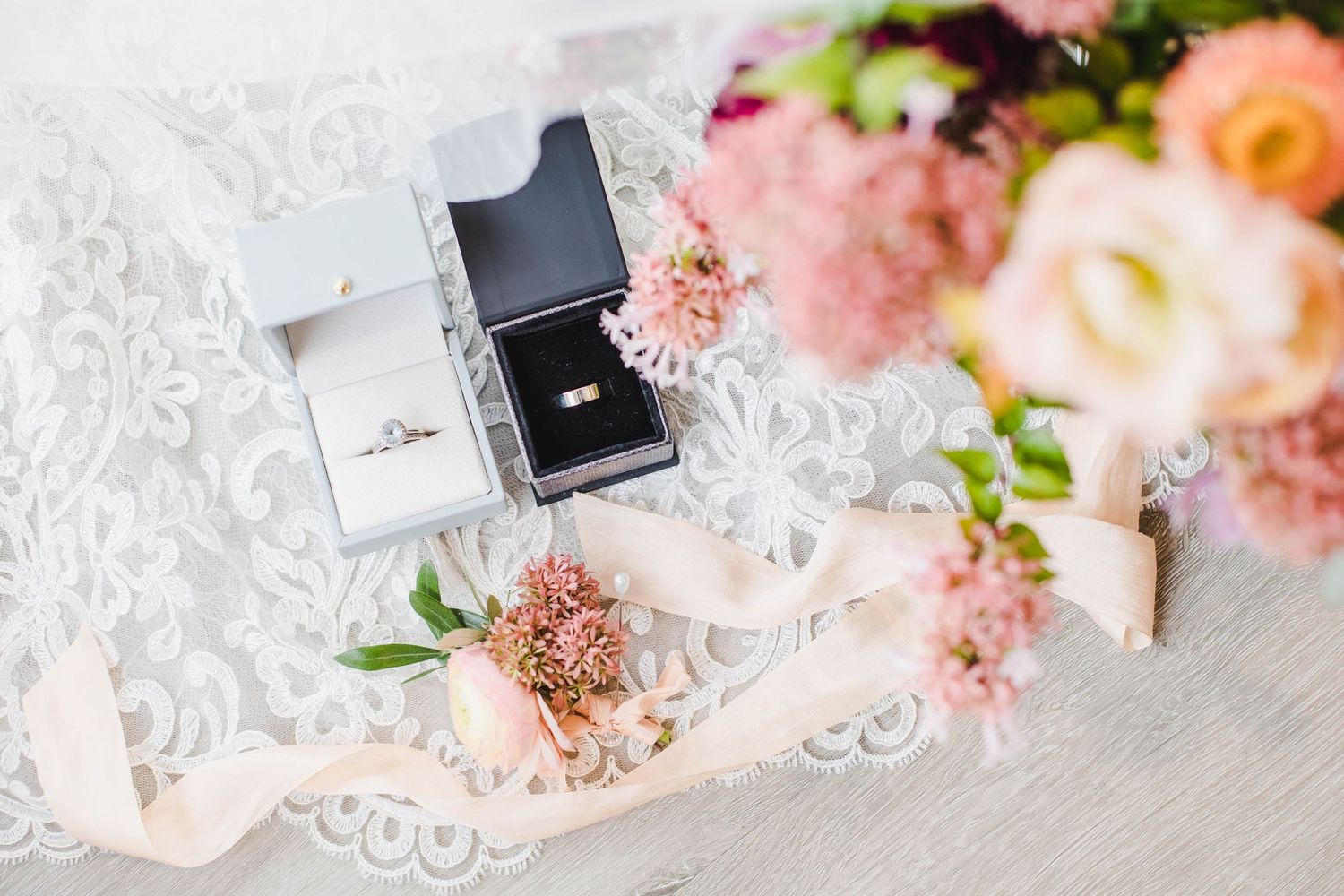
- Wedding rings, both partners' bands.
- An engagement ring, if it's part of the story.
- Earrings, a necklace, a bracelet, or a family heirloom.
- Shoes, including a pair that has meaning.
- A dress hanging, with the back and any special details visible.
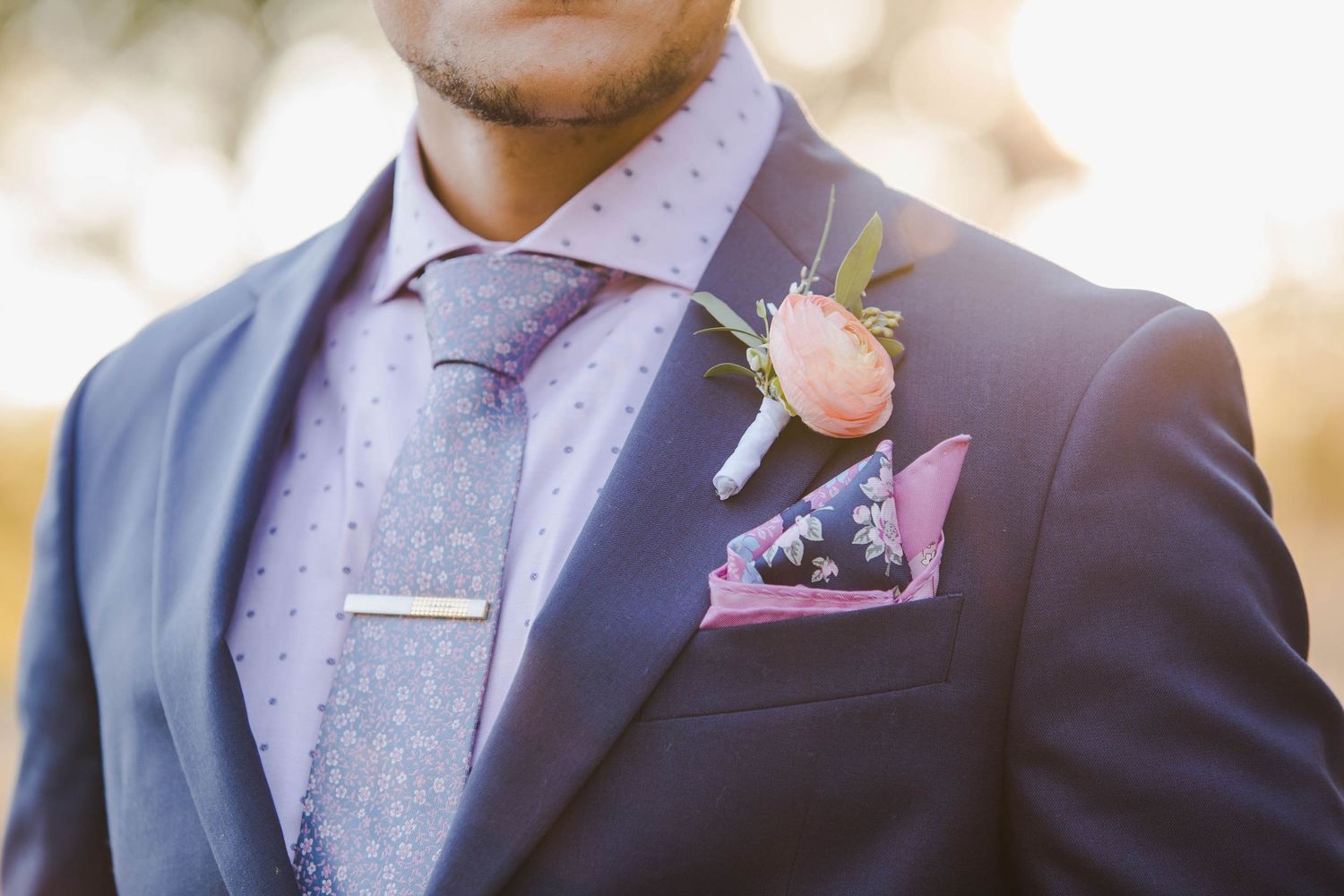
- A suit, a tie, cufflinks, a pocket square, or a watch.
- A veil, a headpiece, or hair accessories.
- A garter or something borrowed.
- Stationery and signs
- The invitation suite, including the envelope liner.
- The program and menu.
- Place cards and table numbers.
- Welcome signs and directional signs.
- A guest book or a signing board.
- Florals and decor
- The bridal bouquet and bridesmaid bouquets.
- Boutonnieres and corsages.
- Ceremony arrangements and an arch.
- Centerpieces and table decor.
- Candles and lighting.
- Food and drink
- The cake, before it's cut.
- Desserts and favors.
- A signature cocktail or a bar setup.
- A special family recipe or dish.
- Personal items
- A handwritten letter or vows.
- A photo of a loved one who has passed, or a keepsake.
- A family Bible, a handkerchief, or an heirloom.
- A gift exchanged between partners.
- A custom item made by someone you love.
Gather everything in one place
This is the single most helpful thing you can do. Before your photographer arrives, collect your details and put them somewhere easy to find.
- Use a box or a bag, and label it if someone else will bring it.
- Include everything on the list, even small items.
- Ask a trusted person to be in charge. A bridesmaid, a planner, or a family member can make sure nothing is missing.
- Bring extras, like a second copy of the invitation, so your photographer can use one without worrying about damage.
- Don't forget the rings. Keep them somewhere safe, and hand them to your photographer at the right moment.
- Bring the invitation suite early, before it gets bent or marked.
A scattered pile of items costs time. A single box saves it.
Prepare the items
- Steam or press attire, so wrinkles don't distract.
- Polish jewelry, and wipe away fingerprints.
- Clean shoes, especially the soles if you want a photo of them.
- Keep stationery flat, in a folder or box, so it doesn't bend.
- Keep flowers fresh, in water until needed.
- Keep the cake safe, in a cool, protected place until the photo.
- Remove tags and price stickers.
A few minutes of care makes the photos cleaner and the editing easier.
Your photographer will choose a good spot
Light matters more than any prop.
- Window light is soft and flattering for detail photos.
- Open shade outdoors gives a gentle, even look.
- A clean surface, like a table, a bed, or a wooden floor, makes items stand out.
- A simple background keeps the focus on the objects.
- A quiet space where you won't be interrupted.
Tell your photographer if there's a particular place you'd like, such as a bedroom with good light or a porch with a nice view.
How to style the details
Your photographer will arrange the items.
- Group items that go together, like rings with an invitation or shoes with a bouquet.
- Use meaningful backdrops, like a family quilt, a piece of fabric, or a book.
- Add texture, with ribbon, lace, or natural materials.
- Keep it simple. Too many items can feel cluttered.
- Match the mood of your day. A romantic garden wedding might have soft fabric and flowers. A modern wedding might have clean lines.
- Leave room for the item to breathe. Space around an object makes it feel important.
Which details are worth the time
Not every item needs a photo. Spend time on the ones that matter most to you.
- Rings, because they're the symbol of the day.
- Handwritten letters or vows, because they're personal.
- Heirlooms, because they carry history.
- The invitation suite, because you designed it.
- The bouquet, because it will wilt.
- The dress, because it's one of a kind.
If time is short, tell your photographer which details are the highest priority, and they'll focus on those first.
Timing for detail photos
Detail photos usually happen early, before the day gets busy.
- Schedule them after you arrive but before hair and makeup are finished, so you can be around.
- Allow about 20 to 30 minutes for a full set.
- Do them before the ceremony, while everything is fresh.
- Photograph the cake and reception decor before guests arrive, since once the room fills up, it's harder to capture.
- Leave time for the florals, which may arrive late.
Detail photos at the reception
The reception has its own details worth capturing.
- Table settings and centerpieces, before guests sit down.
- The cake and dessert table, before the cutting.
- Signature drinks and the bar.
- A signing board or guest book.
- Lighting, like candles and string lights, as the evening begins.
Ask your venue or planner when the room will be ready, so your photographer can capture it at its best.
How to work with your vendors
Your florist, baker, stationer, and planner all help make the details possible.
- Tell them your photographer will want a few minutes.
- Ask your florist to deliver bouquets early.
- Ask your baker to deliver the cake in time for photos.
- Share the timeline with your planner, so the room is ready.
- Credit your vendors, when you share photos. They'll appreciate it.
Common mistakes
- Scattering items across several rooms. It costs time.
- Arriving without the rings. Double-check before you leave.
- Skipping the invitation suite. Many couples forget until it's too late.
- Leaving detail photos for later in the day. Light, energy, and time all run short.
- Overstyling. Simple is often more elegant.
- Not telling your photographer what matters. Share your priorities.
A short detail checklist
Print this, or screenshot it, and put it in your detail box.
- Rings, jewelry, and watches.
- Shoes and accessories.
- Invitation suite and envelope.
- Programs, menus, and signs.
- Bouquets and boutonnieres.
- Vows, letters, and keepsakes.
- Heirlooms and meaningful objects.
- Any item made by someone you love.
The bottom line
Detail photos are small images that carry a lot of meaning. A little preparation, good light, and a few quiet minutes will give you a gallery that remembers not just how the day looked, but what it was made of. If you'd like help building your detail list or choosing the best spot at your venue, I'm happy to help.