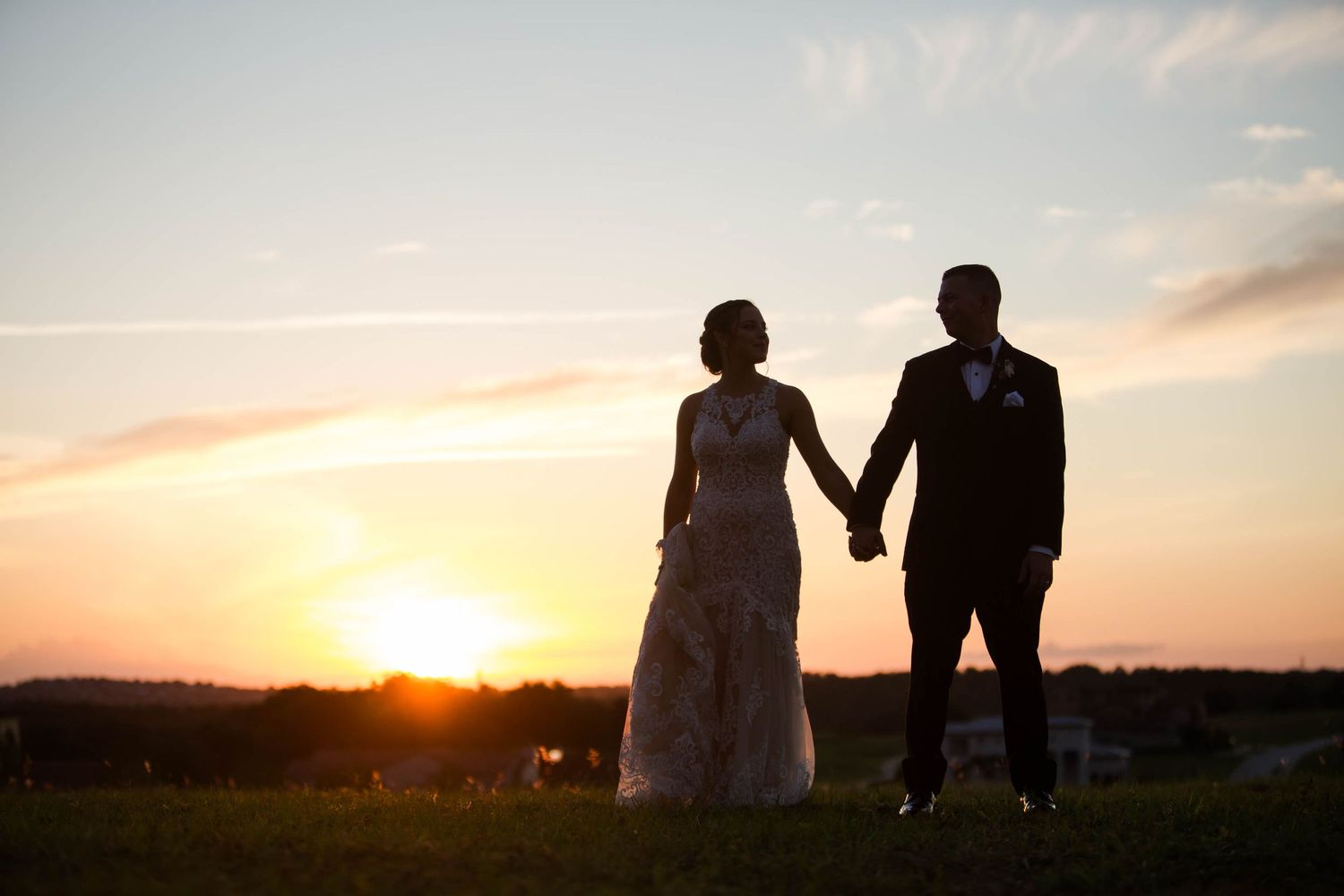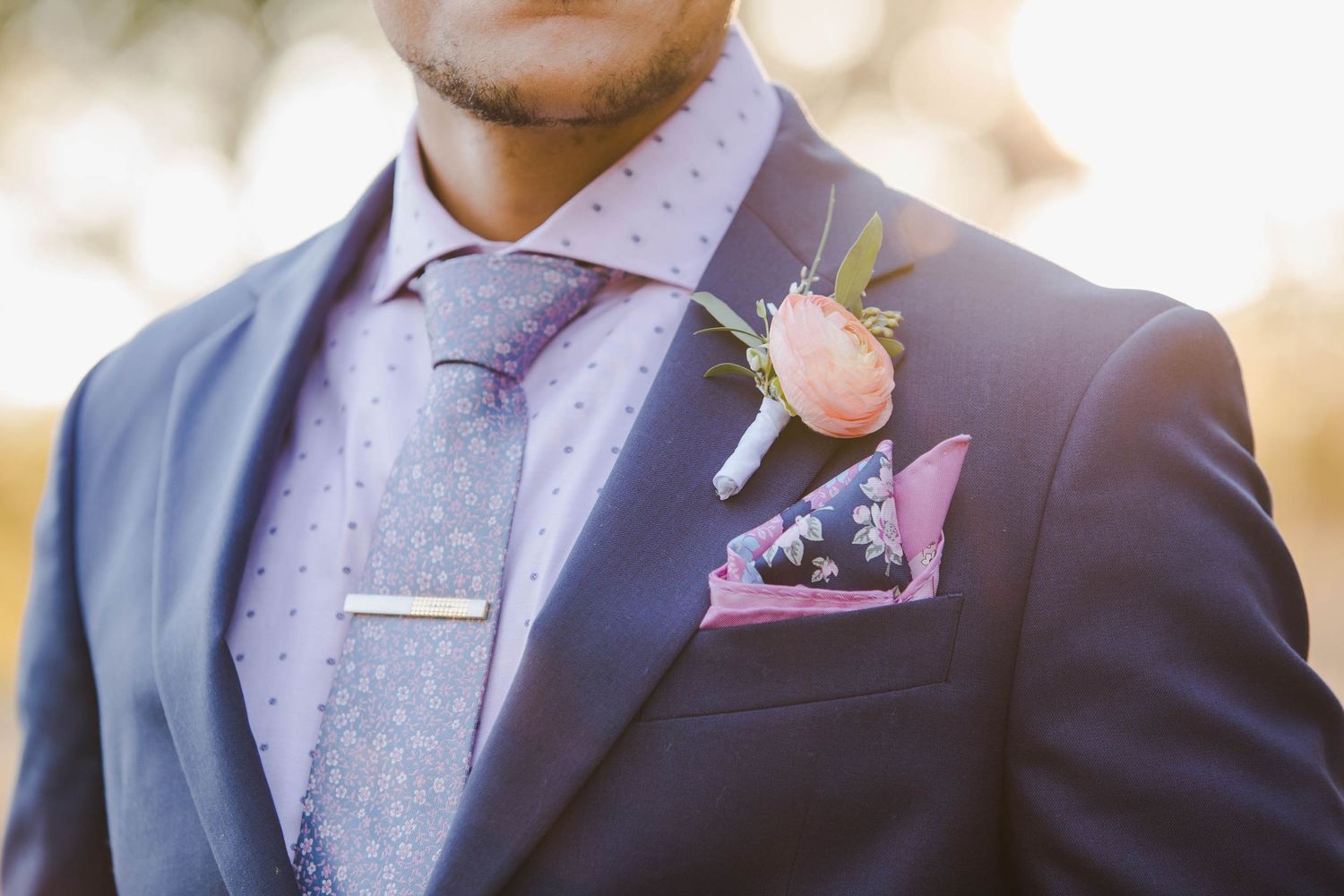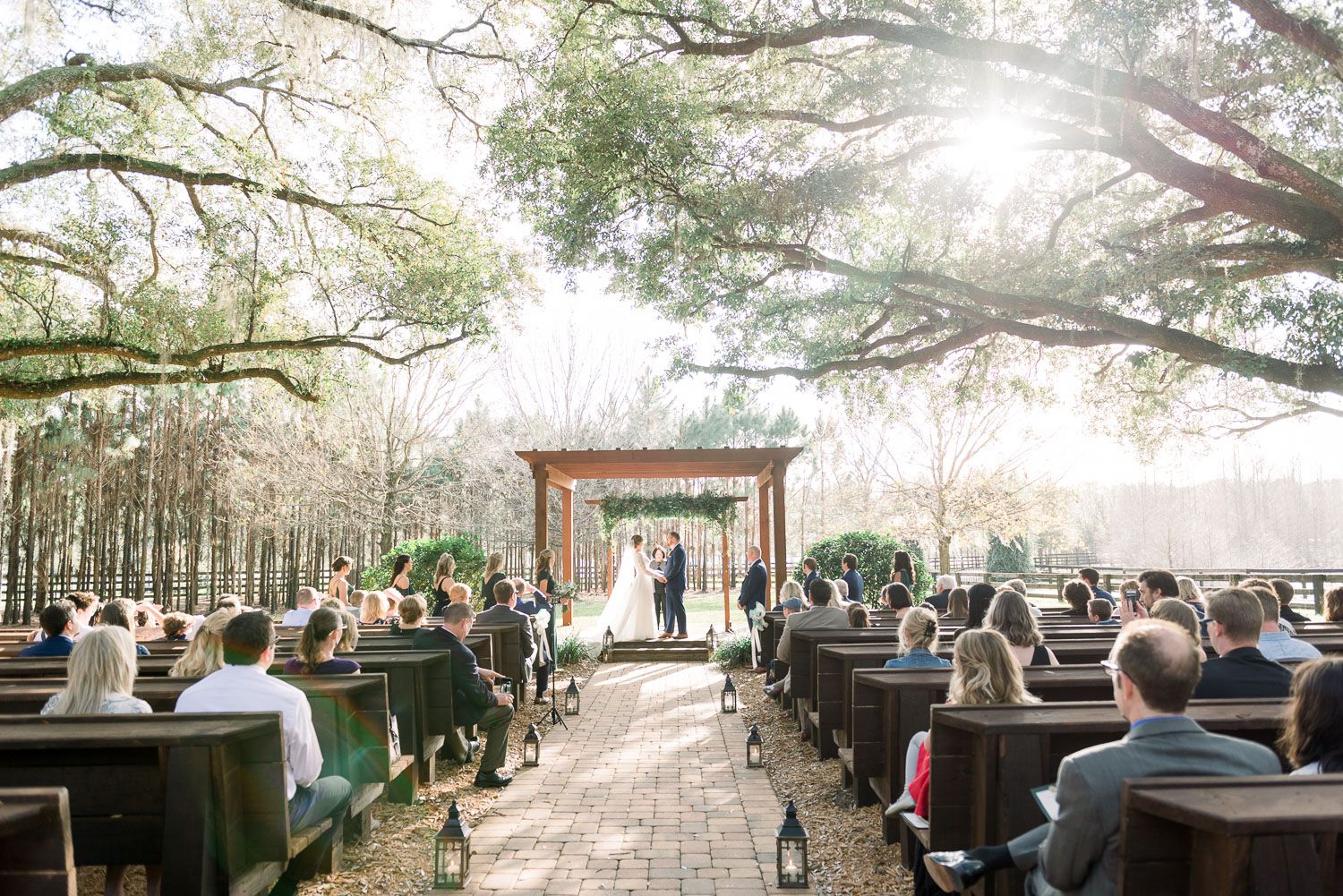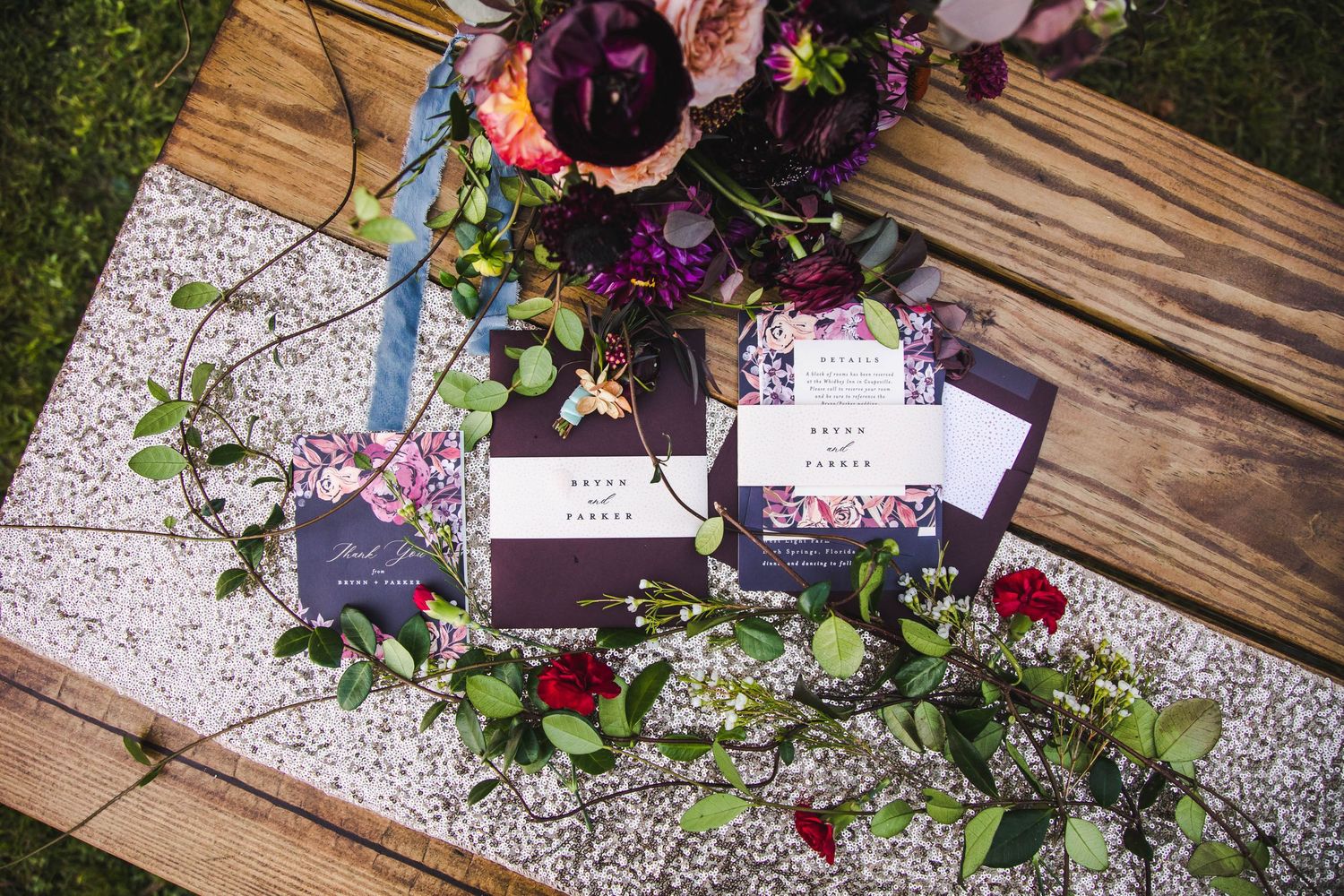
A wedding book is a printed, bound book of your wedding photos, usually designed as a story with a beginning, middle, and end, and it has become a popular alternative to the traditional wedding album. Wedding books tend to be lighter, more flexible in design, and often more affordable than a classic flush-mount album, while still giving you something to hold, share, and keep. Here is what wedding books are, how they differ from albums, and how to design one that you'll actually enjoy opening for decades.
What counts as a wedding book
The terms "book" and "album" overlap, and different companies use them differently. In general:
- A wedding book is a printed photo book, often with a hardcover or softcover, printed pages, and a flexible design. It can range from a simple highlight collection to a carefully designed story.
- A traditional wedding album is usually a flush-mount album, with photographic prints mounted on thick boards, built for display and long-term keeping.
- A layflat book sits in between. It has pages that open completely flat, so a photo can span two pages without losing detail in the center fold.
Because the language isn't standardized, ask any photographer or print company exactly what they mean by the product, and look at physical samples if you can.
Why couples are choosing books
Couples often tell me they want something that feels personal and approachable, not a formal object kept on a shelf. A few reasons wedding books appeal:
- They're approachable. A book feels easy to pick up, flip through, and share.
- They offer design freedom. You can include text, captions, vows, a timeline, or guest messages.
- They fit more budgets. Prices range widely, and many options cost less than a traditional album.
- They work for more than one copy. Parents, grandparents, and wedding party members can each have their own.
- They tell a story. A book can follow the whole day from getting ready to the last dance.
That said, a traditional album remains a beautiful choice, and some couples want both. The right answer depends on your priorities.
Types of wedding books
- Hardcover photo book. The classic format, with a sturdy cover and a wide range of sizes, finishes, and designs.
- Softcover photo book. Lighter and often less expensive, good for extra copies and gifts.
- Layflat photo book. Pages that open completely flat and have a thicker, more premium feel. Good for panoramic spreads.
- Magazine-style book. A lifestyle or editorial layout, with large images, text, and a more casual look. Print companies have described this format as a growing trend, though it's worth confirming that it suits your taste.
- Mini book or parent copy. A smaller version for family members, with a selection of the best images.
- Guest book style. A book with thick, layflat pages that guests can sign, mixing photos and messages.
Books versus flush-mount albums
- Design. Books are flexible. Albums are usually more formal and photo-focused.
- Construction. Albums use thick, mounted pages for a heirloom feel. Books vary, from standard pages to premium layflat.
- Price. Books generally cost less, though premium layflat books can approach the cost of a basic album.
- Handling. Books tend to be lighter, and easier to flip through.
- Longevity. Premium albums are built for archival durability. Quality books can last a long time too, especially with good paper and care.
- Customization. Books allow more text, captions, and layout variety.
Neither is better in every situation. If you want a formal heirloom, an album is a strong choice. If you want a book that feels like your story and that family will actually pick up, a book may suit you better.
How many photos and pages
A common mistake is trying to fit everything. A tighter book usually feels better than an overstuffed one.
- A good range is often about 30 to 60 pages, depending on the format.
- Aim for roughly 80 to 120 images, not several hundred. Quality matters more than quantity.
- Let each photo earn its place. If two images say the same thing, choose the stronger one.
- Use white space. A single image on a page can be more powerful than a collage.
- Think in spreads. Plan two-page layouts for your most important moments.
Choosing and ordering your photos
A wedding book works best when it follows a story. A simple structure:
- The beginning. Details, getting ready, and quiet moments.
- The ceremony. The vows, the rings, the kiss.
- Portraits. The couple, the wedding party, and family.
- The celebration. Dinner, toasts, dancing, and candid moments.
- The ending. The send-off, a quiet last portrait, or a final detail.
Mix wide shots, medium shots, and close-ups. Include details, people, and emotion, not just posed portraits.
Design ideas that make a book feel special
- Panoramic spreads for your venue, ceremony, or a big moment.
- Vows or a favorite quote on a page of its own.
- A handwritten note or a short caption that gives context.
- A page for your wedding party, with a candid photo of each person.
- A page for the details, such as rings, florals, and stationery.
- A guest message page, if your book has pages that can be written on.
- A timeline page, with times and places from the day.
- A closing photo that feels like the end of the story.
Choosing a cover
- A photo cover is personal and tells your story at first glance.
- A linen or fabric cover feels classic and tactile.
- A leather or faux leather cover feels premium and durable.
- A foil-stamped title adds a refined touch.
- A window or inset cover lets you show a photo within a design.
- A dust jacket protects the cover and adds a second look.
Choose a cover that you'll still like in twenty years, not just this year.
Size and format
- Landscape suits wide ceremony and venue images, and panoramic spreads.
- Square gives equal space to horizontal and vertical photos.
- Portrait suits vertical images and a classic look.
- Larger sizes make photos more impressive, but cost more and weigh more.
- Smaller sizes work well for parent copies and gifts.
Doing it yourself or having your photographer design it
- DIY books are affordable and flexible, and you control every detail. But they take time, require layout skills, and the quality depends on your image selection and your editing.
- Photographer-designed books save you hours, benefit from a professional's eye, and are often better paced. They usually cost more.
- A hybrid approach lets you choose images while your photographer designs the layout.
If your photographer offers books, ask to see a sample, and ask what's included: design time, revisions, and proofing.
When to order
- Wait for your final gallery, so you can see all the images.
- Order within a few months of getting your photos, while the day is fresh and your enthusiasm is high.
- Allow time for proofing and printing, which can take weeks.
- Don't let it sit. Many couples mean to make an album and never do.
Caring for your book in Florida
North Florida's humidity can damage paper and bindings over time.
- Store it in a climate-controlled room, not an attic, garage, or storage unit.
- Keep it out of direct sunlight, which fades covers and prints.
- Use a keepsake box or a protective sleeve.
- Handle it with clean, dry hands.
- Display it on a table or shelf where it will be used, not hidden away.
Common mistakes
- Including too many photos. The book feels busy and tiring.
- Using low-resolution images, which print poorly.
- Skipping the proof. Always review before ordering.
- Using the same type of photo repeatedly. Mix wide shots, details, and portraits.
- Ignoring the cover. It's the first impression.
- Forgetting to order copies for parents. They'll love them.
Questions to ask when choosing a book or album
- What format and binding do you use?
- What kind of paper and printing process do you use?
- How many pages and photos are included?
- Do you handle the design, and how many revisions are included?
- What do extra copies cost?
- Can I see a physical sample?
- How long does production take?
The bottom line
A wedding book turns a folder of files into something you can hold, share, and pass on. Choose a format you'll enjoy, select your images carefully, and design it around the story of your day. If you'd like to talk about books or albums for your wedding, I'm happy to show you examples and help you decide what fits.