For the best photos at a spring wedding in Florida, hold your ceremony roughly one to two hours before sunset, so the light is soft, warm, and flattering while the heat has started to ease. Midday ceremonies put everyone in harsh overhead sun, with squinting, deep shadows, and uncomfortable temperatures. Here is how to choose a ceremony time that makes the most of Florida's spring light.
Why light matters so much
Photography is the art of working with light, and the time of day changes everything about how a wedding looks. The same venue can look flat and harsh at noon and glowing at six. Choosing a ceremony time with the light in mind is one of the easiest ways to improve your photos without spending a dollar.
How light changes through the day
- Midday (about 11 a.m. to 3 p.m.). The sun is high and direct, which creates harsh shadows under eyes and noses, bright highlights, and squinting faces. It's the hardest time to photograph outdoors.
- Mid to late afternoon. The sun begins to drop and soften. Shadows lengthen and skin tones warm up.
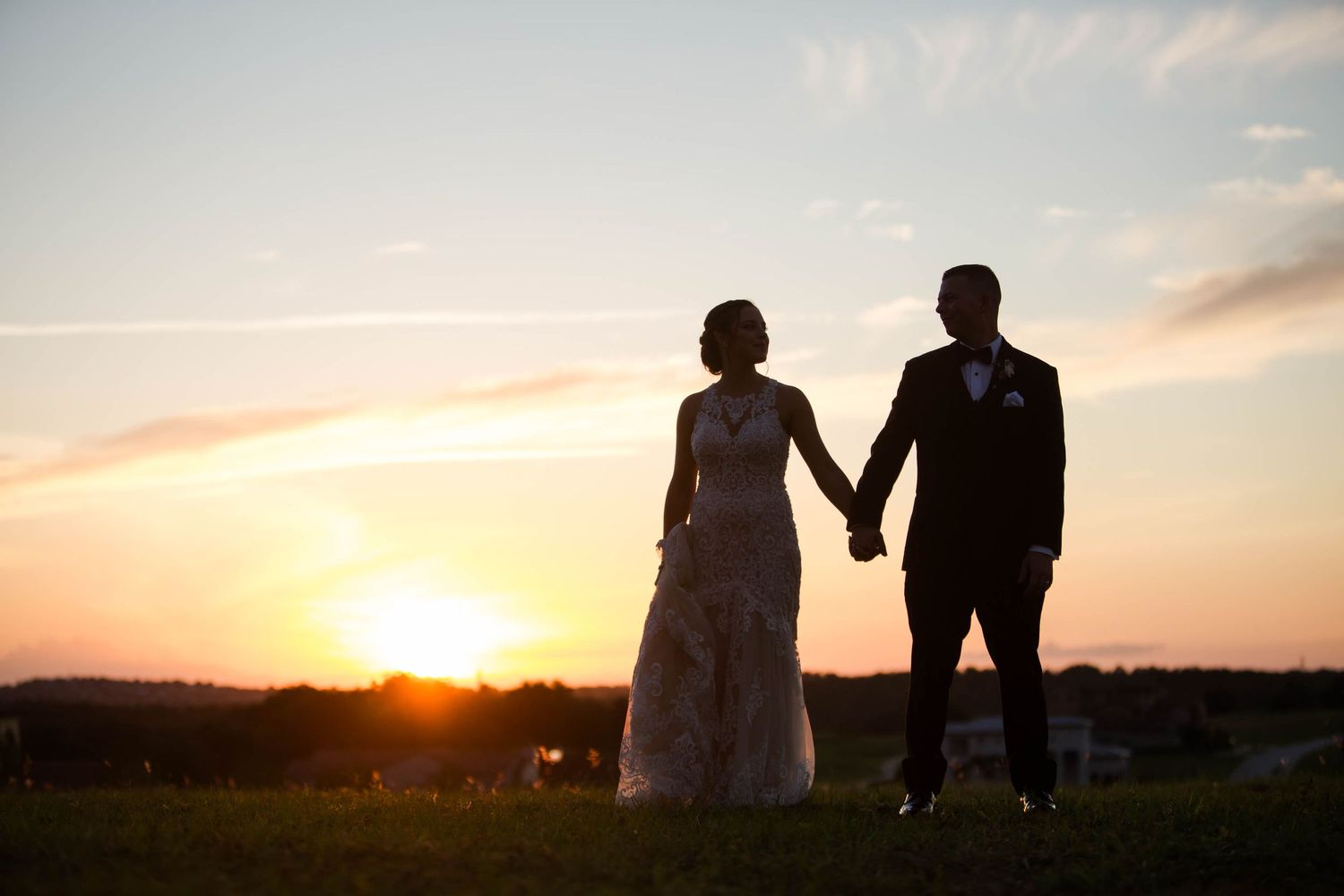
- Golden hour (about the last hour before sunset). The softest, warmest, most flattering light of the day. Skin glows, backgrounds turn gold, and everything looks more romantic.
- Blue hour (just after sunset). Cool, soft light and glowing evening colors, good for portraits and reception atmosphere.
- Morning. Soft and fresh, with cooler temperatures. A good choice for smaller weddings and elopements.
Choosing your ceremony time in spring
In spring, sunset moves later as the season goes on, and daylight saving time begins in March, which shifts the clock by an hour. That means the right ceremony time depends on the date, not just the season. Check the exact sunset time for your wedding date, then work backward.
A useful rule of thumb:
- Ceremony: 1.5 to 2 hours before sunset.
- Portraits of the couple: During golden hour, about the last hour before sunset.
- Reception entrance and first dance: Around sunset or just after.
- Sparkler send-off or evening portraits: In blue hour or after dark.
For a late March or April wedding, that often means a ceremony in the late afternoon. For May, with later sunsets, it can mean an early evening ceremony.
Planning around shade
Shade changes everything. A ceremony under trees or a covered space is more comfortable and easier to photograph than one in open sun, even at a less-than-perfect time.
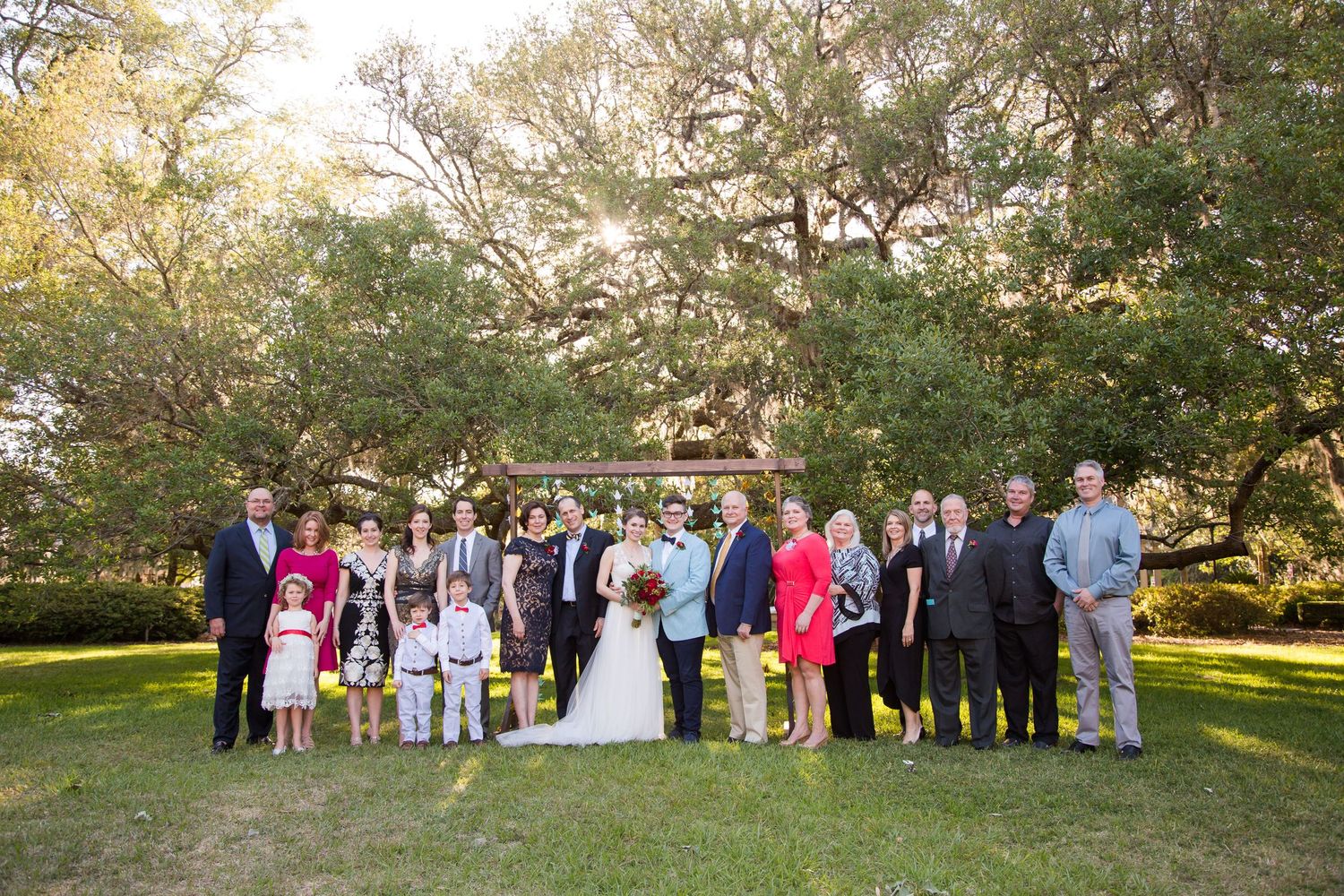
- Choose a spot with natural shade. Live oaks, covered porches, and building shadows can give you soft, even light.
- Check which direction the ceremony faces. If guests face directly into the sun, they'll squint. Ideally the sun is behind or to the side.
- Visit the venue at the same time of day, so you see how the light really falls.
- Ask your photographer to walk the site with you.
Portraits and the first look
If your ceremony needs to be earlier, a first look can solve the light problem. By seeing each other beforehand, you can take most portraits earlier or at the best time of day, rather than squeezing them in after the ceremony. Plan couple portraits for the softest light available, and group photos in open shade where everyone looks comfortable.
Dealing with heat and pollen
Spring in Florida is comfortable, but it can get warm in the afternoon, especially in late spring. A few tips:
- Provide water and shade for guests during the ceremony.
- Offer fans or programs that double as fans.
- Avoid very heavy fabrics.
- Keep the ceremony reasonably short.
- Expect pollen on dark clothing and plan for it with a lint roller and a gentle brush.
Sample timeline for a spring wedding
Here is one example for a wedding with sunset around 7:45 p.m. (adjust for your date):
2:00 p.m. Getting-ready photos and details.
4:00 p.m. First look and couple portraits in soft afternoon light.
4:45 p.m. Wedding party and family portraits in open shade.
5:45 p.m. Guests arrive.
6:15 p.m. Ceremony.
6:45 p.m. Cocktail hour. Short golden hour portraits with the couple.
7:30 p.m. Reception entrance and dinner.
8:30 p.m. Dancing, with a final portrait during blue hour if time allows.
(Times are illustrative. Confirm sunset for your exact date.)
Common mistakes
- Choosing a midday ceremony for convenience. It's the hardest light to photograph and the most uncomfortable for guests.
- Ignoring the time change in March. Sunset shifts an hour, so check the date.
- Scheduling portraits after the ceremony with no light left. Plan them before, or build in golden hour.
- Forgetting about the direction the ceremony faces. Guests staring into the sun are uncomfortable.
- Rushing. Leave a buffer. A calm schedule produces better photos.
Frequently asked questions
- What's the best time of day for a spring wedding ceremony? Late afternoon, about one to two hours before sunset, is ideal for most outdoor weddings.
- Can I still have a good ceremony at midday? Yes, with shade. A covered or shaded space makes midday far more workable.
- Is a first look worth it? For most couples, yes. It improves the light, calms the nerves, and gives you time with each other.
- Does overcast weather ruin photos? Not at all. Cloudy days give soft, even light that's flattering for portraits.
How the direction of light changes your photos
The angle of the light matters almost as much as the time.
- Front light. The sun behind the photographer lights faces evenly but can cause squinting.
- Side light. The sun to one side adds depth and shape, and is flattering when it's soft.
- Backlight. The sun behind the couple creates a glowing edge and a dreamy look, and works best in the hour before sunset.
Your photographer can use these to shape the look of your photos, but the ceremony space is fixed. Knowing which way your ceremony faces helps you choose a time when the light works with it instead of against it.
What to do if the weather isn't perfect
Spring light isn't always golden. Plan for these situations:
- Overcast skies. Soft, even light that's flattering for portraits. No special planning needed.
- Passing storms. Keep an indoor option and build time into the schedule.
- Wind. Secure veils, decorations, and programs. A little wind can add movement to photos, but a lot can disrupt the ceremony.
- Heat. Provide shade, water, and fans, and keep the ceremony short.
- Lighting for the evening
If your reception runs after sunset, lighting becomes part of your photography plan.
- String lights and candles add warmth, but can be dim for photos. Tell your photographer so they can plan for it.
- Uplighting can give a room a glow, though strong colors can tint skin tones.
- A dance floor with a few well-placed lights is easier to photograph than one in near darkness.
- Sparkler send-offs need a safe plan, venue approval, and good timing.
Talk with your photographer and your DJ or planner about lighting before the wedding, so the evening is both beautiful and photographable.
If you're choosing a ceremony time, I'm happy to look at your venue and date and suggest a timeline that gives you the best light.