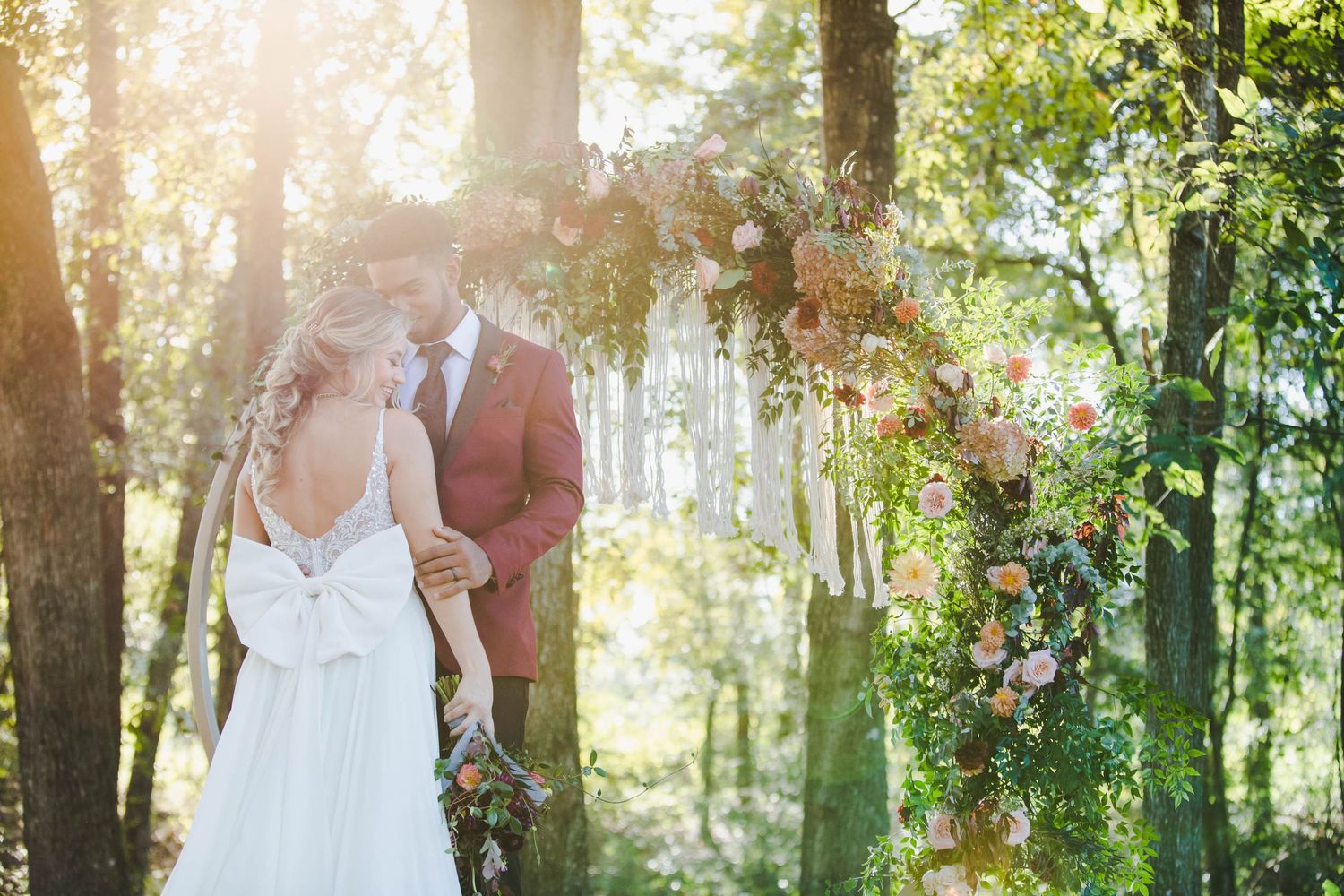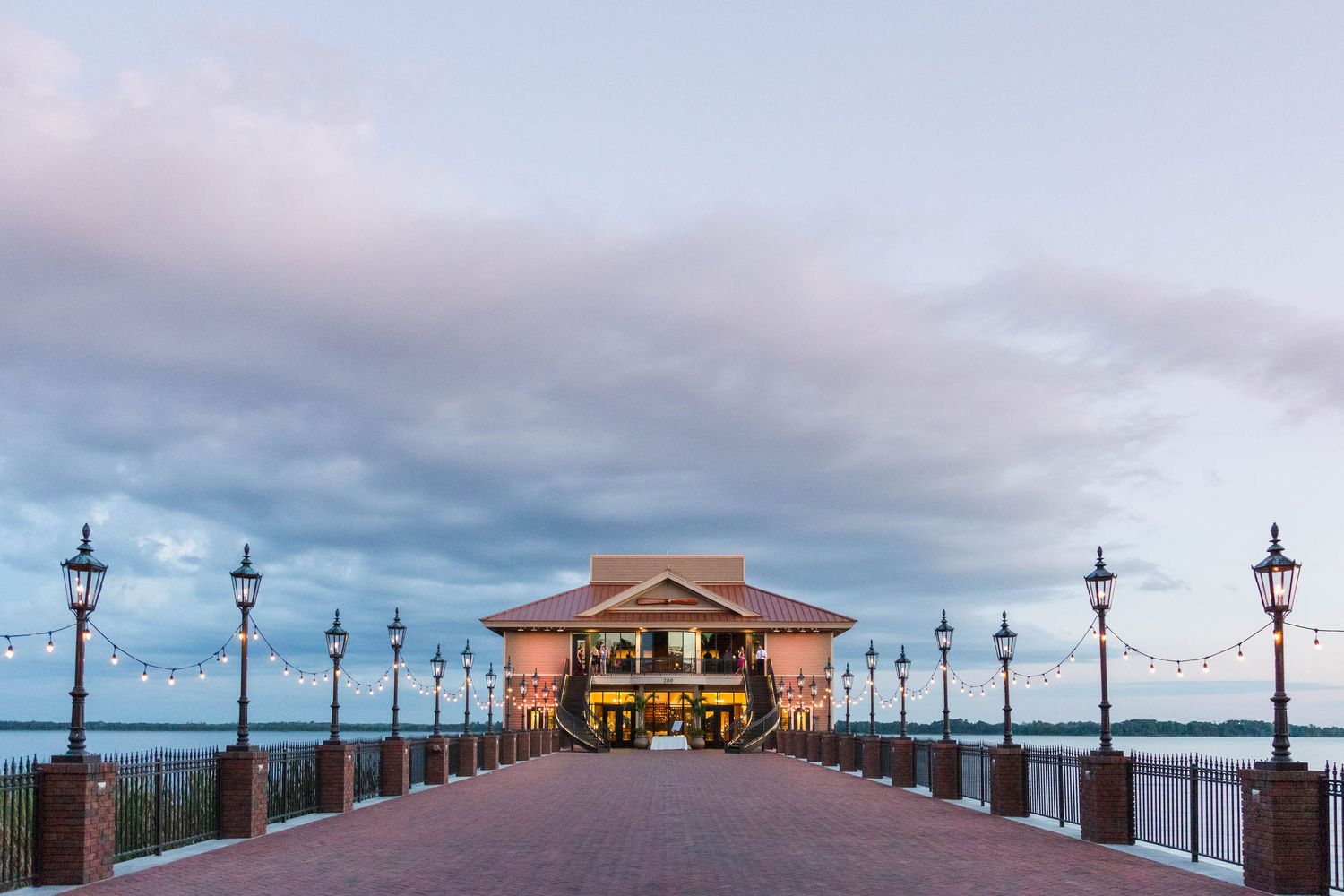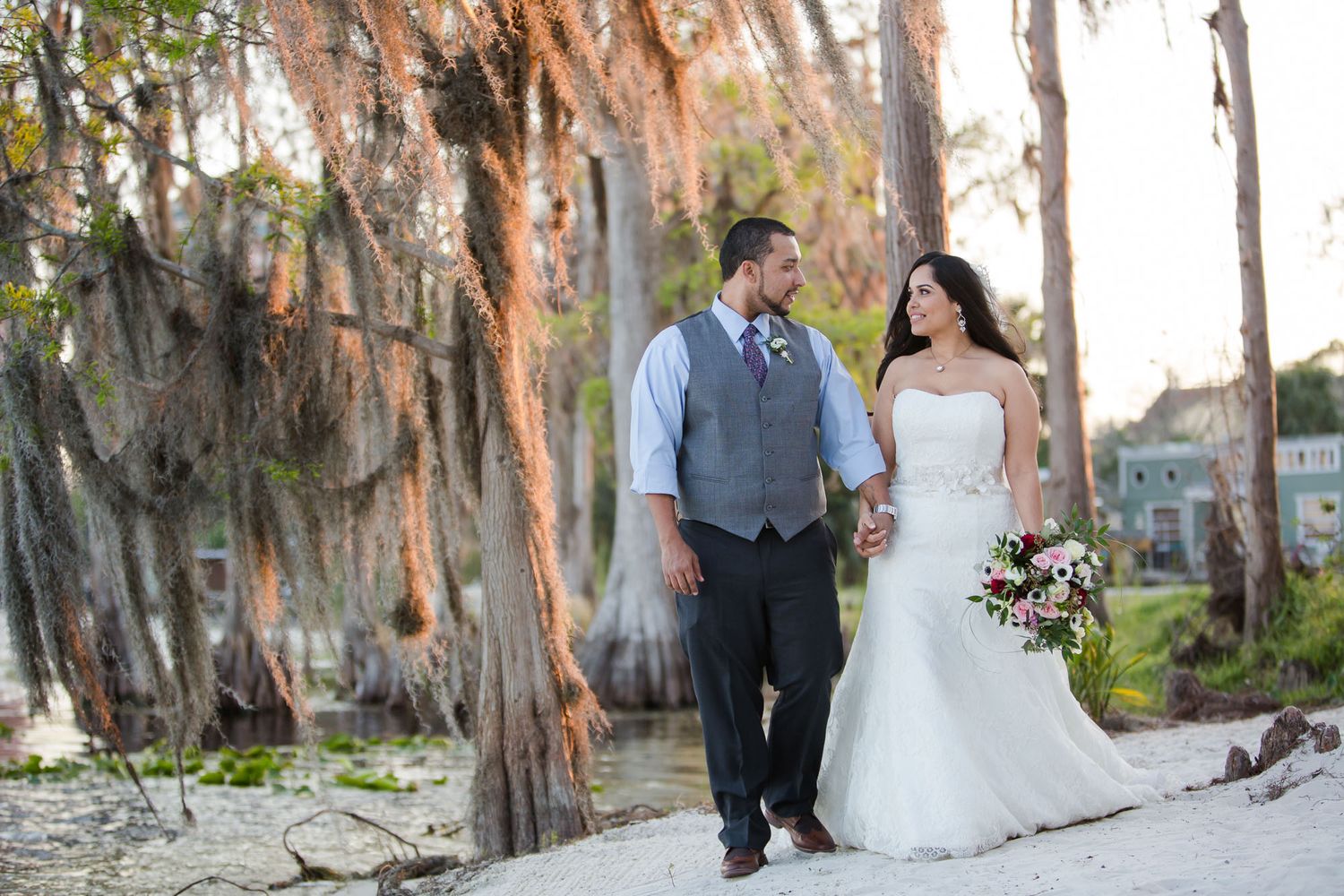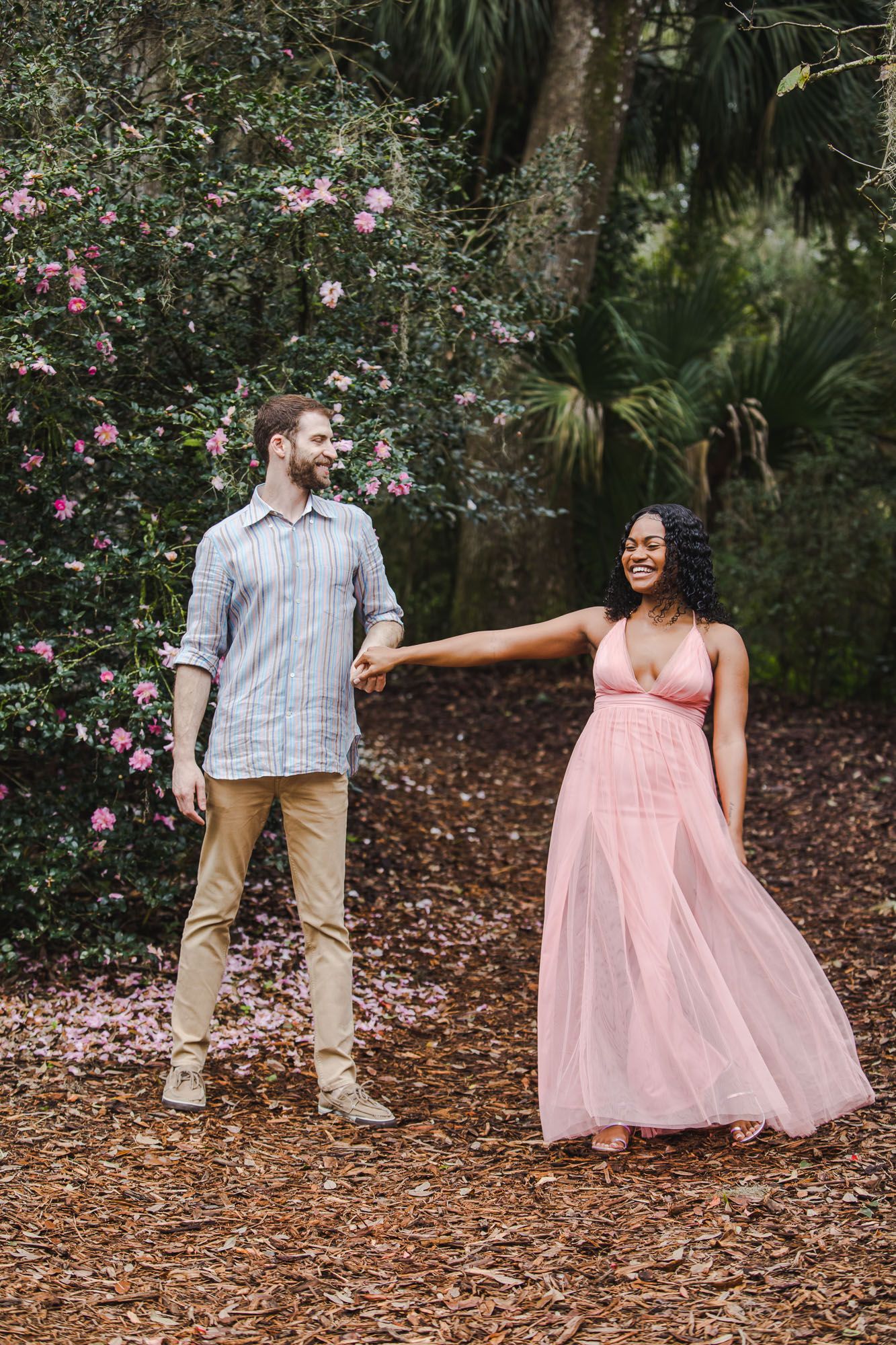
North Central Florida is known for its natural springs, clear, cool, spring-fed water surrounded by trees, and several of them make beautiful settings for an elopement or a small wedding. The area around High Springs and Gainesville also has prairies, state parks, and quiet trails that offer scenery without the cost of a traditional venue. Here is a guide to the kinds of places to consider, what to check before you plan, and how to protect the places that make this region special.
Why springs make good elopement settings
Natural beauty. Clear water, cypress trees, and lush surroundings need little decoration.
Soft light. Tree cover filters sunlight, which can create gentle, flattering conditions.
Intimacy. Smaller groups fit the setting well.
Variety. Within a short drive, you can find springs, forests, rivers, and open prairies.
Value. Park fees and permits often cost far less than a venue rental.
Places to explore
These are well-known natural areas in the region. Rules, access, and fees change, so confirm the current details with each location.
- Ichetucknee Springs State Park. A popular spring-fed river with forested banks, known for its clear water.
- Poe Springs Park. A county park near High Springs with a spring and picnic areas.
- Gilchrist Blue Springs State Park. A spring and river area with wooded trails.
- Ginnie Springs. A privately operated spring area near High Springs, with its own rules and fees.
- O'Leno State Park. A forested park near High Springs along a river, with trails and a swinging bridge.
- Paynes Prairie Preserve State Park. A broad prairie south of Gainesville, with wide views and wildlife, especially striking near sunrise and sunset.
- Other local gardens and parks. Botanical gardens, nature preserves, and county parks all offer settings that may suit a small ceremony.
Always confirm the current policy for ceremonies, photography, and group size before you choose a spot.
What to check before you plan
- Do you need a permit or a reservation? Many parks require one for ceremonies and for professional photography.
- Are ceremonies allowed, and where within the property?
- What's the group size limit?
- Are there fees? Entry, permit, and photography fees may apply.
- What are the rules about decorations, music, and aisle setups?
- Are there restrictions on tripods, drones, and amplified sound?
- What are the access and parking details? Some areas involve walking.
- Are the springs open for swimming or limited? Access changes with the season and conditions.
- What are the hours? Early-morning and late-afternoon ceremonies may need special arrangements.
- Is there a weather or closure policy?
A short email or phone call to the park or the property manager should answer most of these.
Protecting the places you love
Springs are fragile ecosystems. Following a few simple practices helps keep them healthy.
- Stay on marked paths and designated areas.
- Don't bring confetti, balloons, glitter, or rice. They harm wildlife and are hard to clean up.
- Avoid walking on or disturbing plants and the spring bottom.
- Pack out everything you bring, including flowers and decor.
- Keep a respectful distance from wildlife.
- Use biodegradable or minimal decor, and skip anything that could blow into the water.
- Follow all park rules, even if others seem not to.
Planning an elopement step by step
- Decide what matters most. Location, people, light, or privacy?
- Choose two or three possible locations, in case one isn't available.
- Check rules and permits, and book what you need.
- Pick the date and time, with the light and the crowds in mind.
- Choose an officiant, and confirm the marriage license requirements with your county.
- Decide who will be there, and tell them early.
- Book your photographer, and talk through the plan.
- Plan the logistics, including parking, walking, and any gear.
- Prepare a backup plan for weather or closures.
- Enjoy the day. Keep it simple and let the setting do the work.
Best times of day
- Early morning. Soft light, fewer visitors, and a quiet feel.
- Late afternoon. Warm, golden light and a relaxed mood.
- Weekdays. Often quieter than weekends at popular spots.
- Off-season. Fewer visitors and more flexibility.
What to wear and bring
- Comfortable shoes, since paths can be uneven.
- Attire that moves easily, especially if you'll walk or sit on a bank.
- A change of shoes, if you plan to wade or walk on wet ground.
- A small bag with water, tissues, and a few touch-up items.
- A towel or blanket, in case you want to sit.
- Bug spray, applied early.
How photography works at a spring
Natural settings call for a flexible approach.
- Time the light. Tree cover can create dappled light, so your photographer will look for open shade and soft sections.
- Mind the water. Clear water reflects light, and the surface can add sparkle or glare, depending on the angle.
- Plan movement. Walking, sitting, and quiet moments often look best.
- Be ready for wildlife and weather. A calm approach helps.
- Keep equipment safe. Photographers protect gear near water.
Who to bring
Many couples elope with just the two of them, or with a few witnesses. If you'd like family to be part of the day, consider a small celebration afterward, in a restaurant or a home, so you can share the moment without crowding the location.
A sample elopement day at a natural setting
Here is one example for a small ceremony at a state park. Adjust for your date, location, and rules.
8:00 a.m. Arrive early to find parking and walk to the spot.
8:30 a.m. Getting-ready photos and details.
9:00 a.m. A private first look and portraits in soft morning light.
10:00 a.m. Ceremony with an officiant and witnesses.
10:30 a.m. Portraits with family or friends, if present.
11:15 a.m. A quiet walk and candid moments.
12:00 p.m. Brunch or a celebration meal nearby.
The whole experience can feel unhurried, with plenty of time to enjoy the setting.
When springs are at their best
- Early morning has the fewest visitors and the softest light.
- Weekdays are generally quieter than weekends.
- Cooler months often mean fewer crowds, and the clear, steady spring water stays inviting through the seasons.
- After heavy rain, water clarity and access can change, so check conditions before your date.
- Holiday weekends can be crowded and may have restricted access.
If your first-choice spot isn't allowed
Some parks and springs limit ceremonies or photography, and that's okay. You have options.
- Choose a nearby public park or garden with a similar feel.
- Hold the ceremony elsewhere, then take portraits at the spring if permitted.
- Book a private property or venue with natural scenery.
- Visit the location for a portrait session while holding the ceremony somewhere else.
- Ask the park for suggested alternatives. Park staff know their areas well.
Planning a small celebration afterward
Many couples enjoy a small gathering after an elopement.
- A casual meal with parents and close friends.
- A backyard party or a reception at a local restaurant.
- A later celebration with a larger group, so the elopement stays intimate.
- A toast over video, for family who can't attend.
The bottom line
A spring-side elopement can be simple, beautiful, and affordable, but it works best with a bit of homework and a lot of respect for the place. If you'd like help choosing a location and planning the day, I'd love to hear what you have in mind.