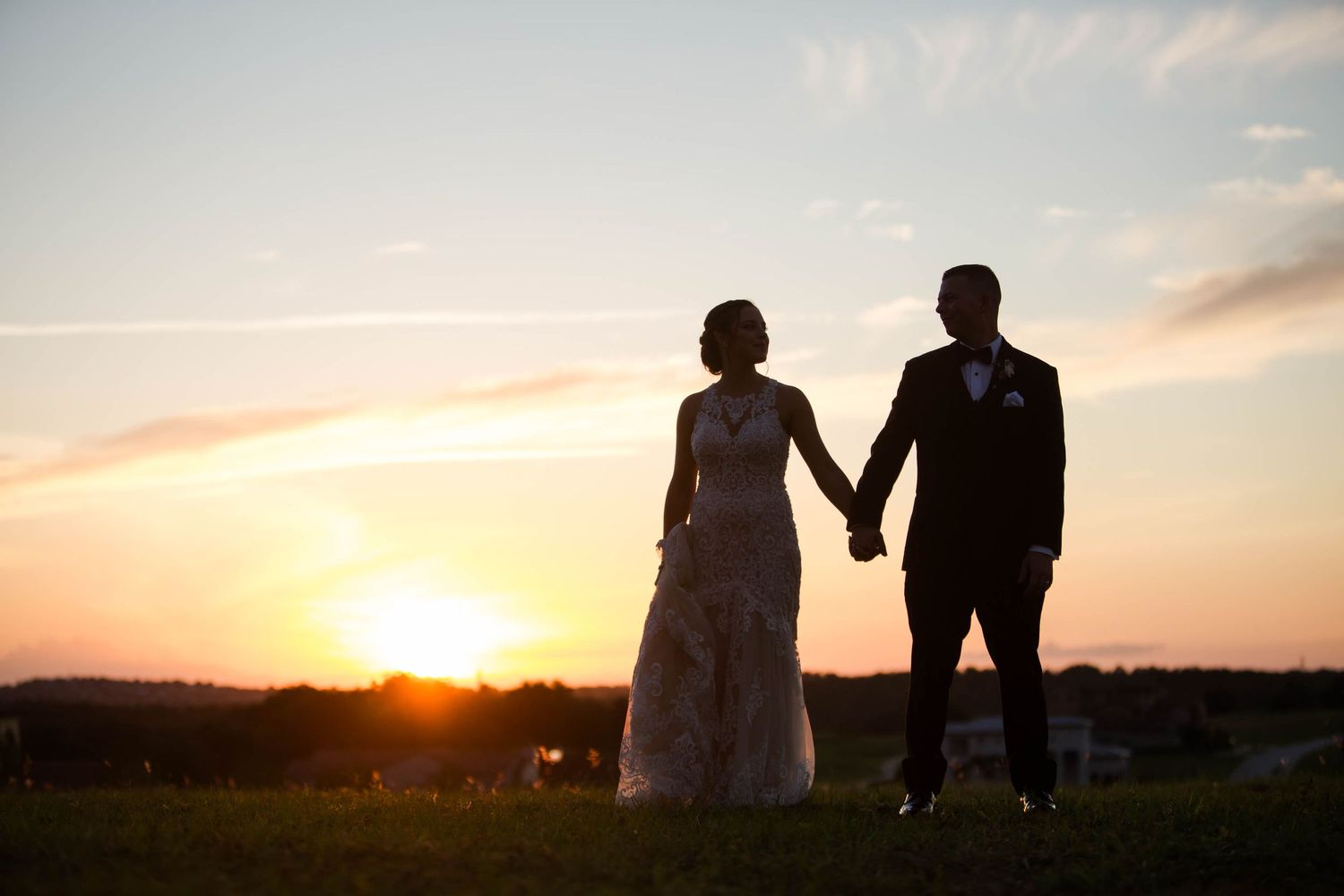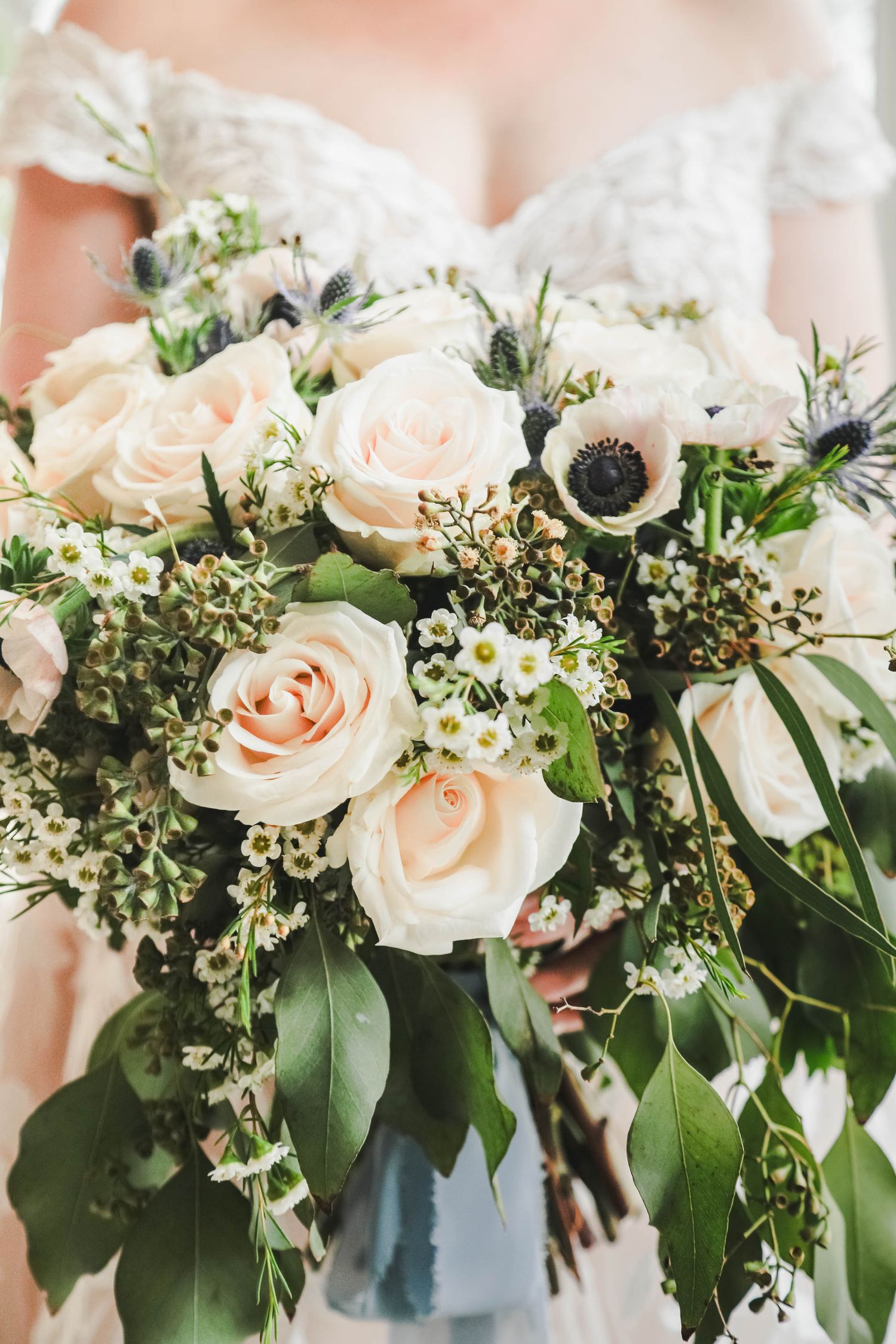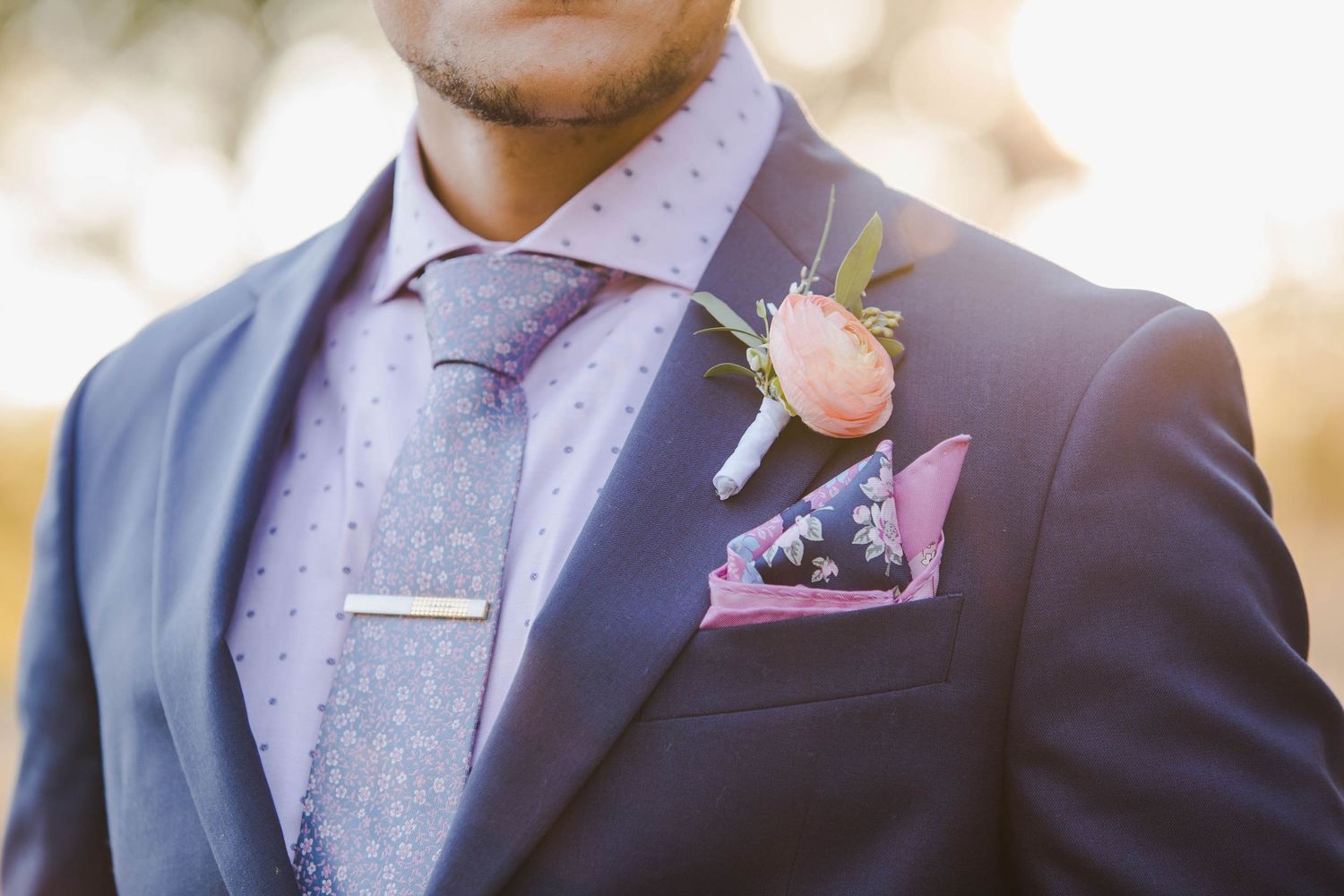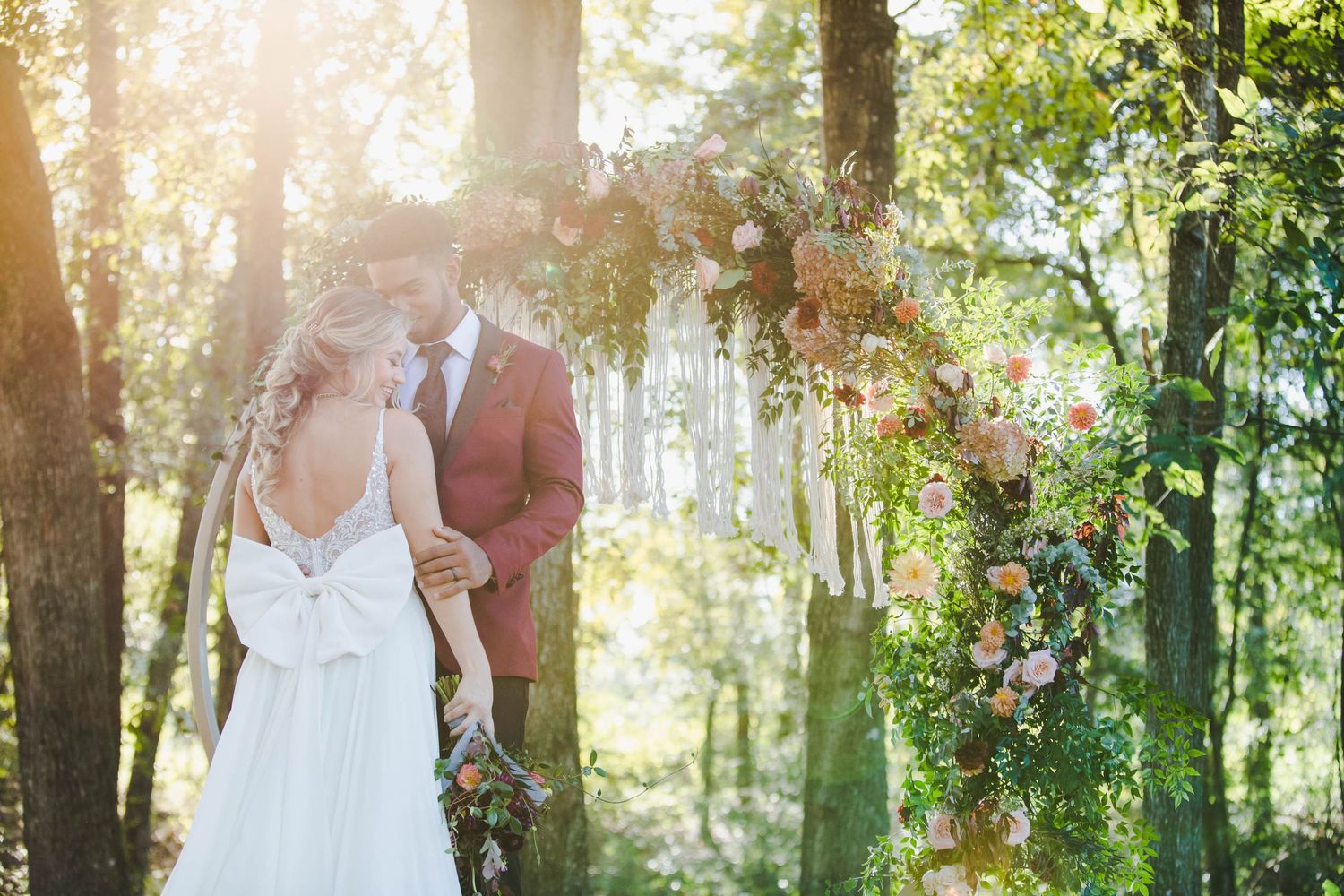
If you got engaged over the holidays anywhere in North Florida, from Gainesville and Ocala to Tallahassee, St. Augustine, and Jacksonville, congratulations! Late December thru early January is the busiest engagement season of the year, which means thousands of couples across the region are asking the same question right now: what do I actually do first?
Wedding planning can feel overwhelming from the very first search. Between Pinterest boards, advice from relatives, and an industry full of vendors competing for your attention, it's easy to feel like you should have everything figured out by next week. You shouldn't. Here are the five steps I recommend to every newly engaged couple, in the order that makes sense, plus what to skip for now.
1. Enjoy being engaged before you plan anything
This is the step most couples skip. Before you open a spreadsheet or scroll through a venue listing, take a week or two just being engaged. Call your people. Take a few photos on your phone. The planning will still be there, and starting from excitement rather than stress makes the whole process better.
2. Set a rough budget before you set a date
Your budget shapes almost every decision that follows: guest count, venue, and how much room you have for photography, catering, and everything else. Have this conversation early and honestly, with your partner and with any family who may be contributing.
A few questions worth answering at this stage:
- Is anyone contributing, and do they expect a say in decisions?
- What is the real ceiling you're comfortable spending, not the number you hope to stay under?
- Which two or three things matter most to you? Photography, food, music, a specific venue? Knowing your priorities lets you spend where it matters and trim elsewhere without regret.
Costs vary meaningfully across North Florida. Weddings in Gainesville and Ocala generally run lower than comparable weddings in St. Augustine, Amelia Island, or Jacksonville Beach, where coastal and historic venues carry a premium. Knowing which market you're shopping in keeps you from comparing a small-city quote to a coastal one.
3. Pick a guest count range before you fall in love with a venue
A 200-person guest list and a 60-person guest list point to completely different venues. Some of the most beautiful spaces in the region, historic homes, garden venues, boutique inns, simply can't hold a large wedding, while larger event halls can feel empty and impersonal for a small group.
Settle on at least a rough range before you start touring. It saves you from falling for three venues that don't fit your list.
4. Book your venue and photographer early
Popular venues and photographers in North Florida book well over a year out for peak spring and fall Saturdays, and St. Augustine and Amelia Island fill especially early because they draw couples from across the Southeast. If you already have a season in mind, these are the two vendors to lock in first, before florals, invitations, or anything else.
College towns add a wrinkle. Graduation weekends and home football weekends at UF and FSU compete for the same calendar and the same hotel rooms, which means popular dates in Gainesville and Tallahassee can fill faster than you'd expect.
5. Build your vendor team around your venue
Once your venue is booked, every other decision gets easier. You're working within a known space, known light, and a known style. Many venues also keep preferred vendor lists built from years of working in that exact space, which can save you hours of research.
What to skip for now:
In the first month you do not need to choose a florist, finalize a color palette, pick bridesmaid dresses, or book a DJ. Those decisions get easier once your venue and date are locked, because they follow naturally from the space and the season.
A realistic first 90 days:
- Weeks 1 to 2: Enjoy it. Start a shared note for ideas, with no pressure to fill it in.
- Weeks 3 to 6: Have the budget conversation. Settle a rough guest count. Start a loose list of venues that interest you.
- Weeks 7 to 10: Tour two to four venues. Narrow your season or date range. Start contacting photographers whose style you love to check availability.
- Weeks 11 to 13: Book your venue and photographer. You've now handled the two most time-sensitive decisions, and everything else has room to breathe.
Common early mistakes:
- Touring venues before agreeing on a guest count. It almost always leads to falling for the wrong size space.
- Assuming your date is available. Treat your ideal date as a preference to confirm, not a guarantee.
- Waiting to discuss budget until after tours. This is one of the biggest sources of early planning stress.
- Planning alone. Divide research and decisions early, whether between partners or with family, to avoid burnout.
Frequently asked questions:
- How long should we be engaged? There's no right answer. Many couples in the region plan nine months to two years out. A shorter engagement works if you're flexible on date and venue. A longer one gives you more room to secure popular vendors and spread out costs.
- Do we need a wedding planner? Not necessarily, especially for a smaller wedding. But if you're both working full time, planning from out of town, or managing a large guest list, a planner or day-of coordinator can take a lot of stress off you.
- What's the first vendor we should contact? Your venue. It determines your date, and your date determines everyone else's availability, including your photographer's.
- Can we get married in one city and have vendors from another? Often yes. Many North Florida vendors travel across the region, though travel fees may apply. Ask early so there are no surprises in your quote.
Matching venue type to your part of North Florida
Venue styles differ a lot across the region, and knowing what each area offers helps you narrow your search before you tour anything.
- Gainesville and Ocala: Garden venues, farms and barns, historic homes, and university-area event spaces. Good for couples who want a relaxed, outdoorsy feel at a moderate price.
- Tallahassee: A mix of historic estates, plantation-style properties, and garden venues, with strong demand tied to the capital and the university.
- St. Augustine: Historic buildings, courtyards, and downtown venues with a strong sense of place. Beautiful, popular, and booked early.
- Amelia Island and Jacksonville Beach: Oceanfront and resort-style venues. Expect higher pricing and more wind, salt air, and open light.
- Cedar Key and the Gulf coast: Small-town waterfront character and a destination feel, with fewer venue options and more logistics to plan.
Before you commit, ask each venue:
- What dates are still open in my preferred season?
- What is included in the rental fee, and what costs extra?
- What is the rain plan, and where would the ceremony move?
- Are there restrictions on vendors, music, or ending times?
- Do you have a preferred vendor list, and is using it required?
- Where can a photographer shoot portraits, and is there shade nearby?
That last question matters more than most couples realize. The best venue on paper can be difficult to photograph if there's no shade, no good portrait location, or a ceremony space that faces harsh afternoon sun. A good photographer will happily walk a venue with you before you book.
If you're newly engaged and thinking about your wedding photography, I'd love to hear about your plans, even if your date is a year or two away. I've photographed weddings across Florida and beyond, and I'm happy to talk through what will work for your venue, season, and style.