Yes, for many couples. A winter wedding in North Florida, held between December and February, offers mild daytime weather, lower pricing, and easier access to popular venues and vendors. The tradeoffs are shorter days, cooler evenings, and the occasional cold snap. Here is an honest look at the pros, the cons, and how to photograph a winter wedding well.
The case for a winter wedding
- Better availability. Winter is off-peak across North Florida. Venues, photographers, caterers, and florists have more open dates, which means you can often get your first choice.
- Lower costs. Many venues and vendors offer lower rates or fewer minimums outside peak season. If you're flexible, winter is one of the most effective ways to stretch a budget.
- Comfortable daytime weather. Daytime temperatures are typically mild and pleasant, with low humidity. Outdoor ceremonies are comfortable in a way they often aren't in summer.
- Less storm risk. Winter has far fewer afternoon thunderstorms than summer, and the hurricane season is over.
- Fewer crowds at destination spots. If you're marrying in a popular place like St. Augustine or Amelia Island, winter means fewer tourists and easier logistics for your guests.
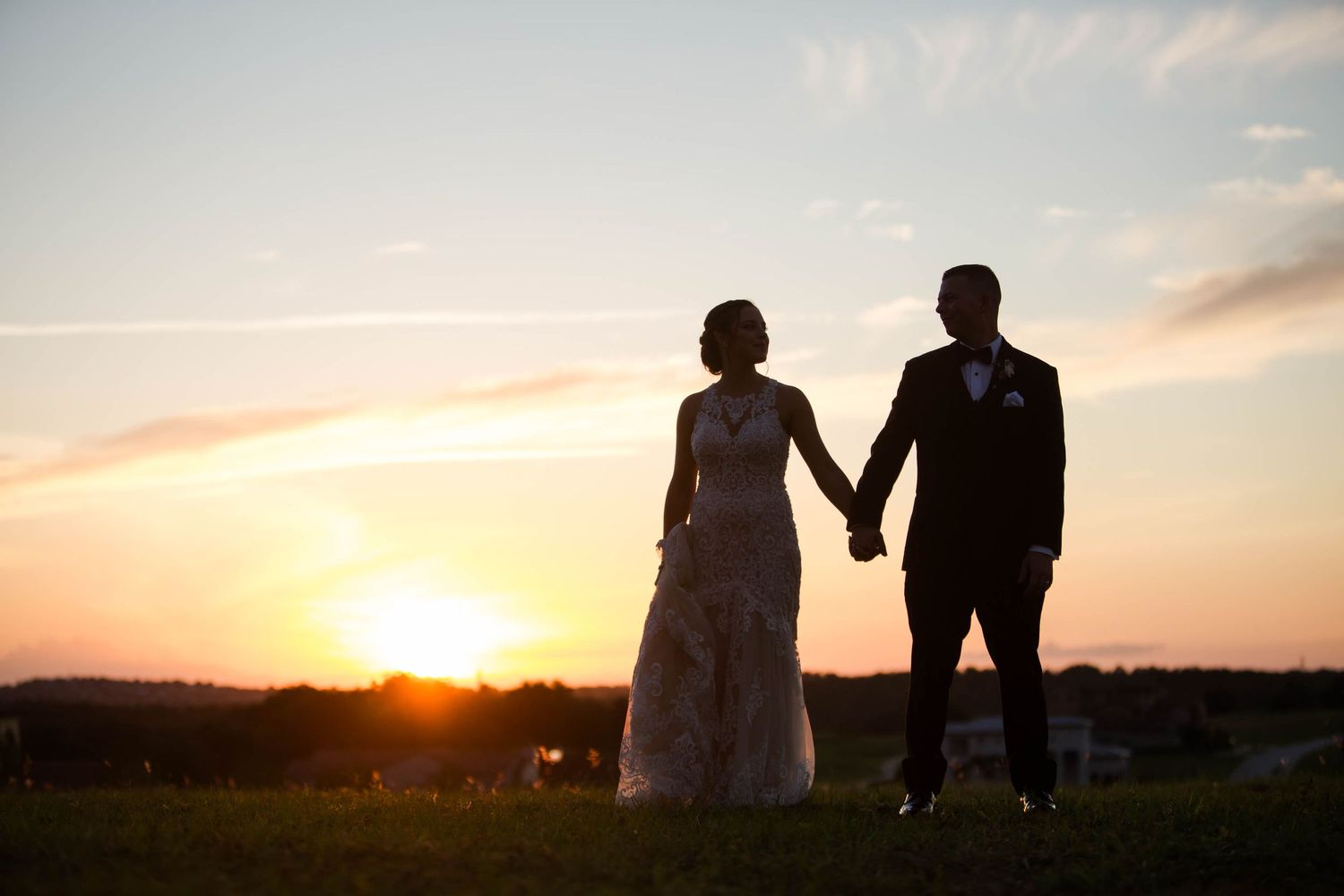
- Stunning light. The winter sun sits lower in the sky, which gives long, warm, golden light for much of the day.
The tradeoffs
- Shorter days. Sunset comes early, sometimes before 6 p.m. Your outdoor portraits and ceremony need to be timed accordingly.
- Cooler evenings. North Florida winters can be chilly after dark, especially inland and in the Panhandle. Outdoor receptions need a plan for guest comfort.
- Occasional cold snaps. A rare freeze or very cold day can happen. It's uncommon, but worth planning for if your date is in January or February.
- Holiday conflicts. December dates near Christmas and New Year's can be harder for guests to attend, and travel and hotel prices can be higher.
- Less lush scenery. Some plants are dormant or less colorful in winter. That said, evergreens, live oaks, and camellias still look beautiful, and many gardens bloom in winter.
Winter wedding timeline tips
- Schedule your ceremony earlier. A 2 or 3 p.m. ceremony gives you good light and time for portraits before sunset.
- Plan portraits for golden hour. Winter golden hour arrives earlier, so build it into your timeline.
- Consider a first look. Seeing each other before the ceremony lets you take most portraits while it's warm and bright.
- Build in time after sunset. If your reception is outdoors, plan lighting, heating, and an indoor alternative.
Keeping guests comfortable
- Provide blankets, shawls, or wraps for outdoor ceremonies.
- Use outdoor heaters or firepits where permitted.
- Offer warm drinks like coffee, cider, or hot chocolate.
- Have an indoor space ready for the reception or the cooler part of the evening.
- Tell guests what to expect on your wedding website, including the dress code and the temperature.
What to wear
- Layers and wraps. A jacket, wrap, or shawl works for both warmth and photos.
- Fabric weight. Heavier fabrics like velvet and long sleeves are comfortable in winter.
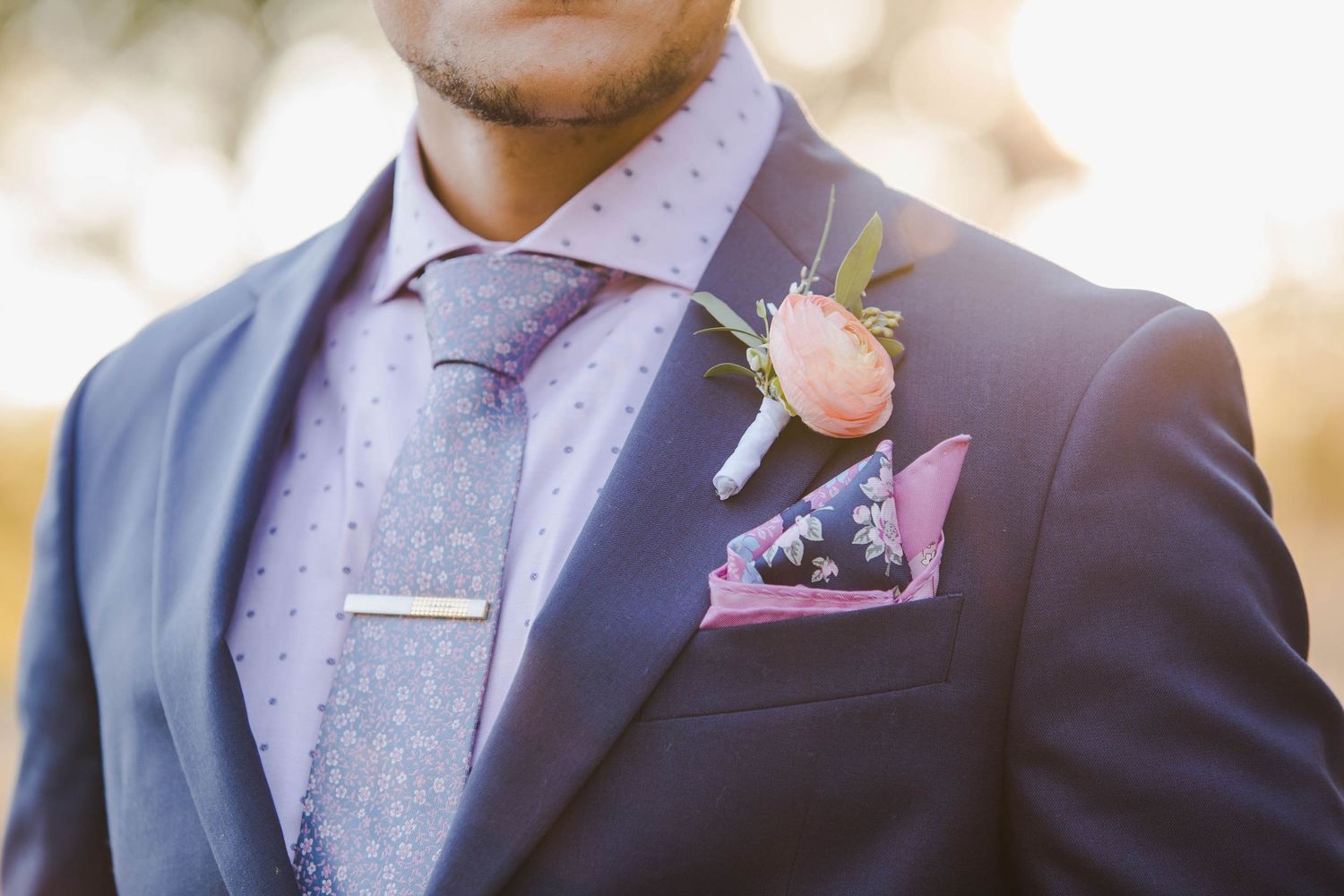
- Color palettes. Deep greens, burgundy, navy, and rich neutrals look beautiful in winter light.
- Shoes. Consider comfort and the surface, especially for outdoor ceremonies on grass.
Winter wedding ideas that work in North Florida
- A garden ceremony in the afternoon, with warm tones and evergreen florals.
- An intimate historic venue, with candlelight and warm interior lighting.
- A coastal elopement, with a quiet beach and fewer people.
- A holiday-adjacent wedding, with subtle seasonal décor and a cozy feel.
Photographing a winter wedding
Winter light is some of the absolutely best for photography. The low sun creates warm, directional light, and the cooler temperatures mean everyone looks fresher and more comfortable. A few things to plan around:
- Time portraits for the best light. Late morning and mid-afternoon are often ideal.
- Plan for early darkness. Discuss lighting for the evening portion of your reception with your photographer.
- Pack for the weather. Wraps, umbrellas, and a plan for rain or cold keep the day on track.
- Embrace the mood. Candles, string lights, and warm interiors photograph beautifully in winter.
Frequently asked questions
- How cold does North Florida get in winter? Daytime highs are usually mild, though evenings can be cool, and cold snaps with freezing temperatures can occur, especially inland and in the Panhandle.
- Is rain a problem in winter? Rain is less common than in summer, but it can happen. Have a backup plan regardless of the season.
- Do winter weddings cost less? Often, yes. Many venues and vendors offer lower rates outside peak season. Ask about off-peak pricing and weekday discounts.
- Is winter a good season for destination weddings in Florida? Yes. Mild weather and fewer crowds make winter popular for couples traveling from colder states.
What winter does to your budget
Winter weddings often cost less, but the savings depend on how you plan. Venue rental and catering minimums are often lower, and vendors may offer off-peak rates. Photography packages sometimes come at a discount, and weekday dates can be cheaper still. Costs that can rise include heating, tenting for cooler evenings, and holiday-season rentals if your date falls near Christmas or New Year's. Ask each vendor what changes in winter and get it in writing.
Choosing the right winter date
Not all winter dates are equal.
- Early December. Cooler than fall, with holiday décor beginning to appear. Popular, so book early.
- Mid to late December. Holiday travel can make it harder for guests to attend, but it can also make it easier for out-of-town guests who are already off work.
- January. Often the quietest and most affordable month, with cooler weather and the best availability.
- February. Warming slowly, with early spring blooms starting in some areas. Valentine's weekend is popular, so expect higher demand then.
Winter wedding themes that work in Florida
Winter in North Florida isn't snow and ice, and it doesn't need to look like it. Themes that fit the region include:
- Evergreen and candlelit. Cedar, magnolia, and warm candlelight feel seasonal without feeling northern.
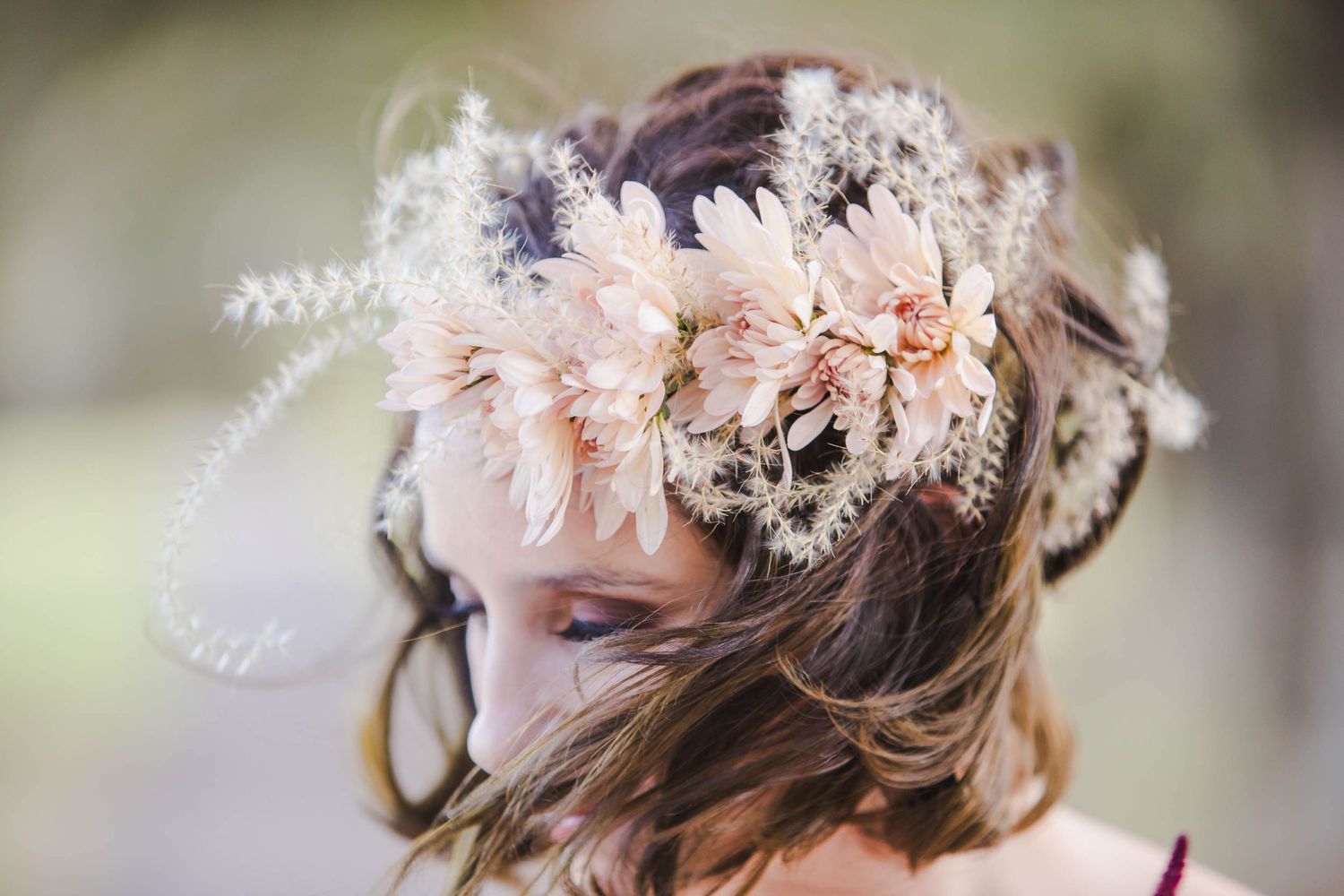
- Garden romance. Camellias bloom in winter, which makes them a natural choice for florals.
- Coastal calm. Muted blues, sand tones, and soft textures feel peaceful on a winter beach.
- Rich and cozy. Deep jewel tones, velvet, and warm metallics suit evening receptions.
Guest experience tips
- Tell guests the weather expectation and dress code ahead of time.
- Offer shuttle or valet service if the venue is outdoors and parking is far.
- Make sure there's a warm indoor space for older guests and young children.
- Plan food and drinks to suit the season, like warm appetizers and a hot drink station.
- Keep the schedule tight enough that guests aren't waiting outside in the cold.
Common winter wedding mistakes
- Ignoring sunset time. Many couples forget how early it gets dark and miss their golden hour portraits.
- Skipping the backup plan. Cold or rain can force a change, and a plan is easier to follow than an improvisation.
- Choosing an exposed outdoor reception with no heat. Guests will leave early if they're cold.
- Forgetting about daylight for the ceremony. An evening ceremony may be dark before it ends.
- Underestimating holiday travel. Check your date against school breaks and major holidays.
A winter wedding in North Florida can be just as beautiful as a spring or fall one, often with more flexibility and a better price. If you're considering a winter date, I'm happy to talk through the light, timeline, and logistics for your venue.