A good wedding day timeline starts with your ceremony time, works backward through getting ready and portraits, and forward through the reception, with buffer time built in at every stage. The most common mistake is underestimating how long photos take, which leaves couples rushing through portraits or missing the best light. Here is how to build a realistic timeline for a wedding in North Florida, and how to protect the moments you care about most.
Why the timeline matters
A wedding day has dozens of moving parts and a lot of people who need to be in the right place at the right time. A clear timeline keeps vendors coordinated, keeps guests comfortable, and gives your photographer room to capture the day properly. It also lowers stress. When everyone knows the plan, you can be present instead of managing logistics.
Start with two fixed points
Every timeline begins with two anchors:
Your ceremony time. This is usually decided by your venue's availability and the light. In Florida, a late-afternoon ceremony often gives the best combination of comfort and light.
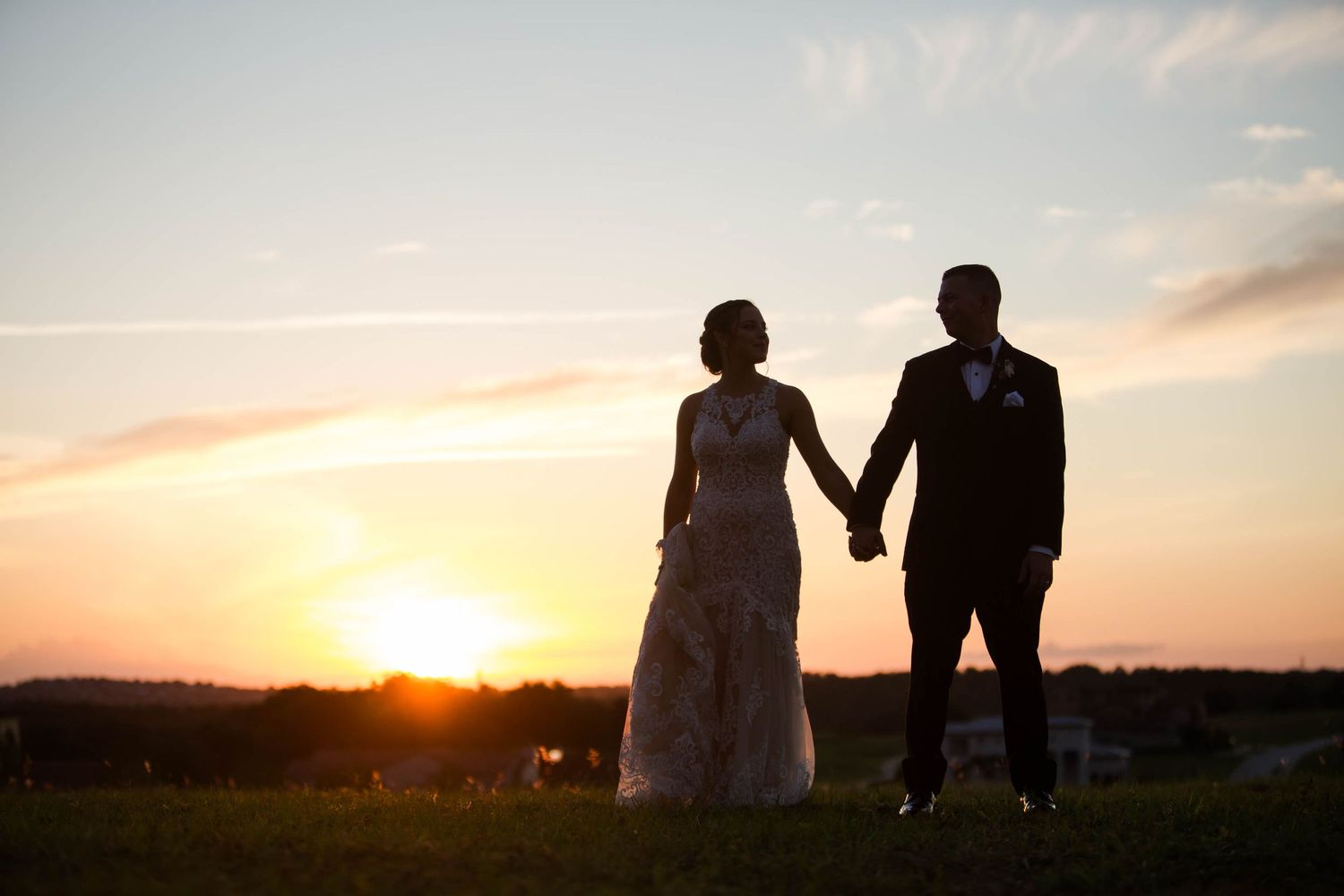
Sunset on your wedding date. Look up the exact time. Sunset determines when golden hour begins and how much daylight you have for portraits.
Everything else gets built around those two points.
Work backward from the ceremony
- Getting ready (3 to 4 hours before the ceremony). Hair, makeup, and dressing take longer than most people expect, especially with a large wedding party. Start earlier than you think you need to.
- Detail photos (about 1 hour). Rings, invitations, flowers, shoes, and the dress are easiest to photograph before the chaos starts. Give your photographer a calm window with these items gathered in one place.
- First look and couple portraits (1 to 1.5 hours before guests arrive). If you're doing a first look, this is where it fits. It gives you quiet time together and lets you take most portraits before the ceremony.
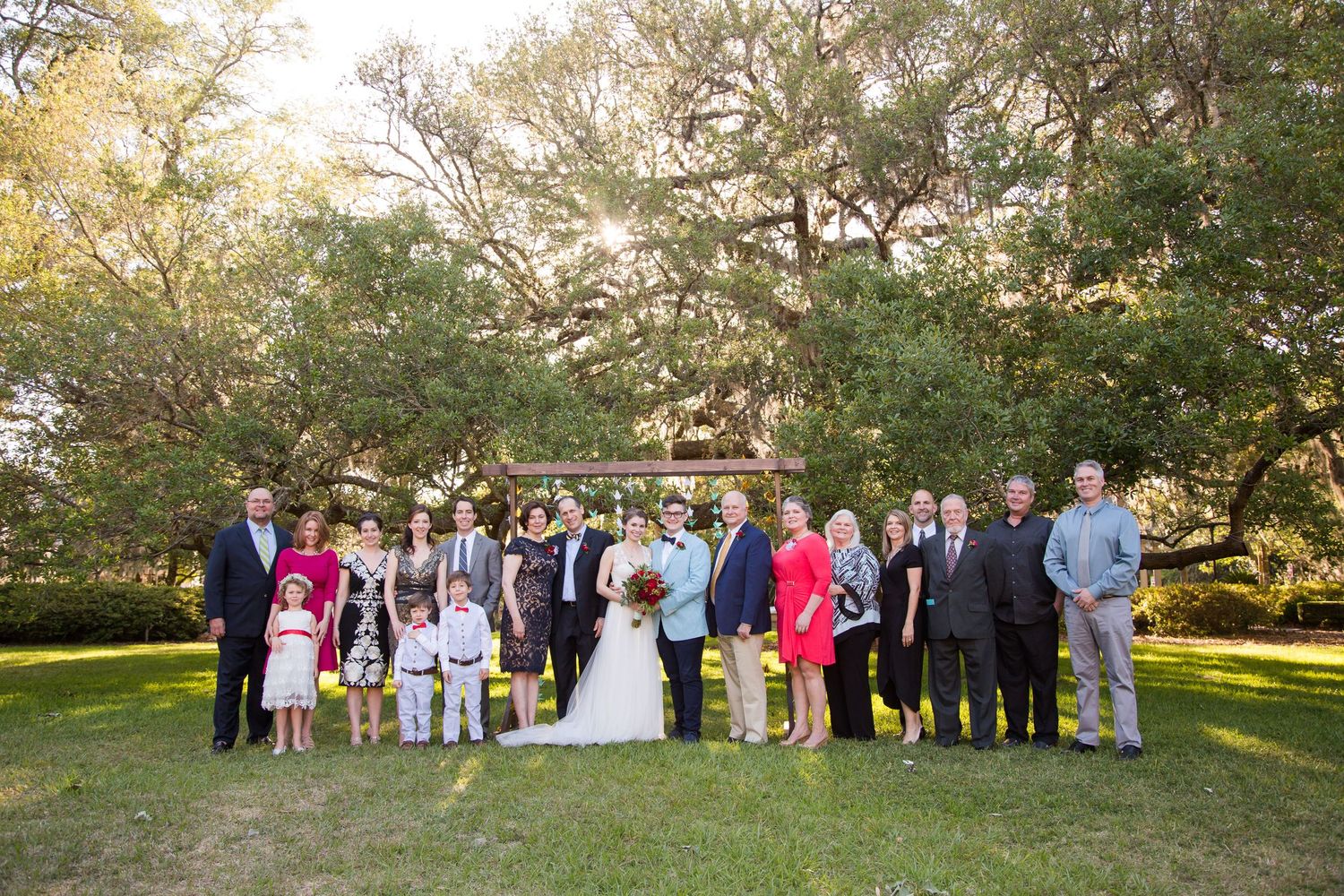
- Wedding party and family portraits (45 to 60 minutes). Group photos take longer than people expect. Each grouping takes a few minutes, and gathering people takes more. A written list helps a lot.
- Guest arrival (30 minutes before the ceremony). Plan for guests to arrive early, find seats, and settle in.
Then move forward from the ceremony
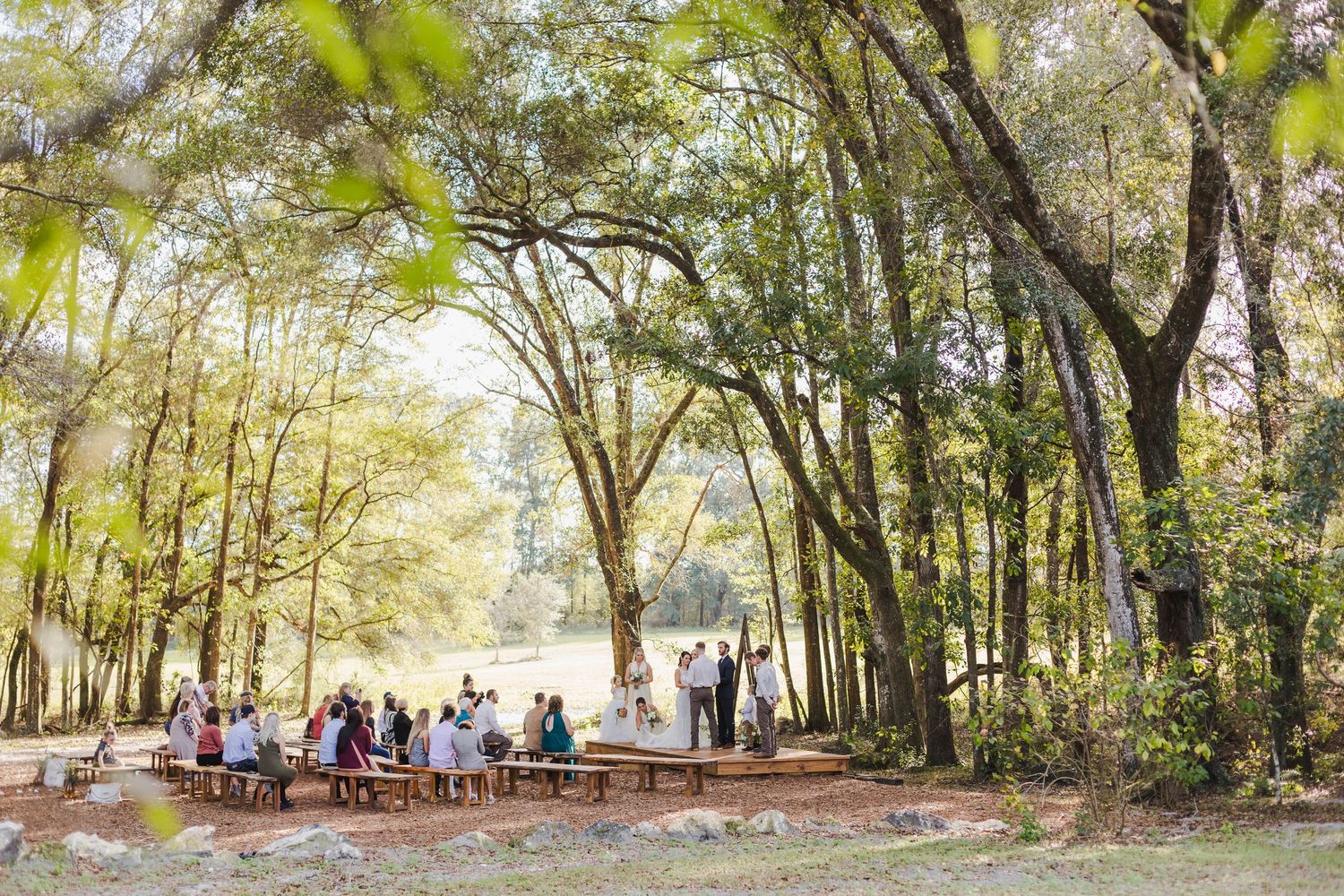
- Ceremony (20 to 40 minutes). Most ceremonies fit in this window, depending on readings, vows, and cultural or religious elements.
- Receiving line or family photos (15 to 30 minutes). If you're doing portraits after the ceremony, keep the group small and the list short.
- Cocktail hour (60 minutes). This is a good time for couple portraits in the best remaining light, plus candid photos of guests.
- Reception entrance, dinner, and toasts (90 to 120 minutes). Build in time for the meal to be served and for toasts to happen without rushing.
- Cake, first dance, and special dances (30 to 45 minutes). Plan these early enough that they fall before guests start leaving.
- Dancing and send-off (1.5 to 2 hours). Most of the energy and the best candid moments happen here.
Sample timeline for an afternoon ceremony
Here is an example for a wedding with a 5:00 p.m. ceremony and a sunset around 7:45 p.m. (adjust for your date):
11:00 a.m. Hair and makeup begin.
1:30 p.m. Detail photos and getting-ready moments.
2:30 p.m. Getting dressed.
3:00 p.m. First look and couple portraits.
3:45 p.m. Wedding party and family portraits.
4:30 p.m. Guests arrive.
5:00 p.m. Ceremony.
5:30 p.m. Cocktail hour, with a short golden-light portrait session.
6:30 p.m. Reception entrance and dinner.
7:30 p.m. Toasts and cake.
7:45 p.m. Sunset portraits, about ten minutes.
8:15 p.m. First dance and open dancing.
10:00 p.m. Send-off.
(Times are illustrative. Adjust for your venue, date, and guest count.)
Build in buffer time
The single best thing you can do for your timeline is to add buffer. Weddings almost never run exactly on schedule, and small delays add up.
- Add 10 to 15 minutes between major events.
- Add extra time for hair and makeup. It's the most common source of delays.
- Allow for travel between locations, plus parking and loading.
- Build in time for weather, whether that's moving indoors or waiting out a passing storm.
Protect the moments that matter most
Every couple has a few things they care about more than anything else. Decide yours early, and protect them in the schedule.
- If you want a first look, schedule it before everything else.
- If you want sunset portraits, put them on the timeline and treat them as non-negotiable.
- If you want a quiet moment alone after the ceremony, build in five to ten minutes.
- If family photos are important, share your list with your photographer ahead of time.
Family photos without the chaos
Family portraits are the part of the timeline most likely to go off track. A few habits make them smooth:
- Write a list in advance, with names and groupings, and share it with your photographer.
- Assign a helper who knows both families, to gather people.
- Keep groupings to a reasonable number, usually ten to fifteen.
- Schedule them early, before guests start drinking and wandering.
- Pick a location with open shade, so everyone looks comfortable.
Timeline mistakes to avoid
- Underestimating getting-ready time. Add more than you think.
- Skipping buffer time. Delays are normal, not a failure.
- Planning portraits after sunset. You'll lose the light.
- Scheduling too many group photos. Fewer groupings, done well, are better than many rushed ones.
- Forgetting about travel time between locations.
- Not sharing the timeline with all vendors. Everyone needs the same version.
Sharing your timeline
Once your timeline is ready, send it to:
- Your photographer and videographer.
- Your planner or coordinator.
- Your venue.
- Your caterer, DJ or band, and florist.
- Your wedding party and key family members.
Keep one master version, and update it if anything changes, so everyone is working from the same plan.
Frequently asked questions
- How long should I book my photographer for? Most full-day packages run 8 to 10 hours. Count from the start of getting ready to the end of the planned reception activities, not just the ceremony.
- Should I do a first look? For most couples, yes. It gives you more flexibility, better light, and a calmer day.
- How do I handle a delay? Stay flexible. Your photographer and coordinator can adjust the order of events, and shortening one portion is easier than cutting something important.
- Can my photographer help me build the timeline? Yes. Many photographers will review your schedule and suggest changes, especially for light and portrait time.
The bottom line
A realistic timeline is one of the most valuable planning tools you'll have. Start with your ceremony and sunset, work outward, add buffer, and protect the moments that matter most. If you're building your timeline and want a second opinion, I'm happy to look it over and suggest adjustments for your venue and light.