Fall light in Florida is lower, warmer, and softer than summer light, which makes portraits more flattering and gives ceremonies a gentle glow. As the season moves from September to November, the sun sits lower in the sky, shadows grow longer, and golden hour arrives earlier. Here is how fall light behaves, how it shapes your photos, and how to plan around it.
Why fall light looks different
- The sun is lower. In fall, the sun's angle drops, so light comes in at a gentler slant and is less harsh at midday.
- Shadows lengthen. Faces get more shape, and backgrounds gain depth.
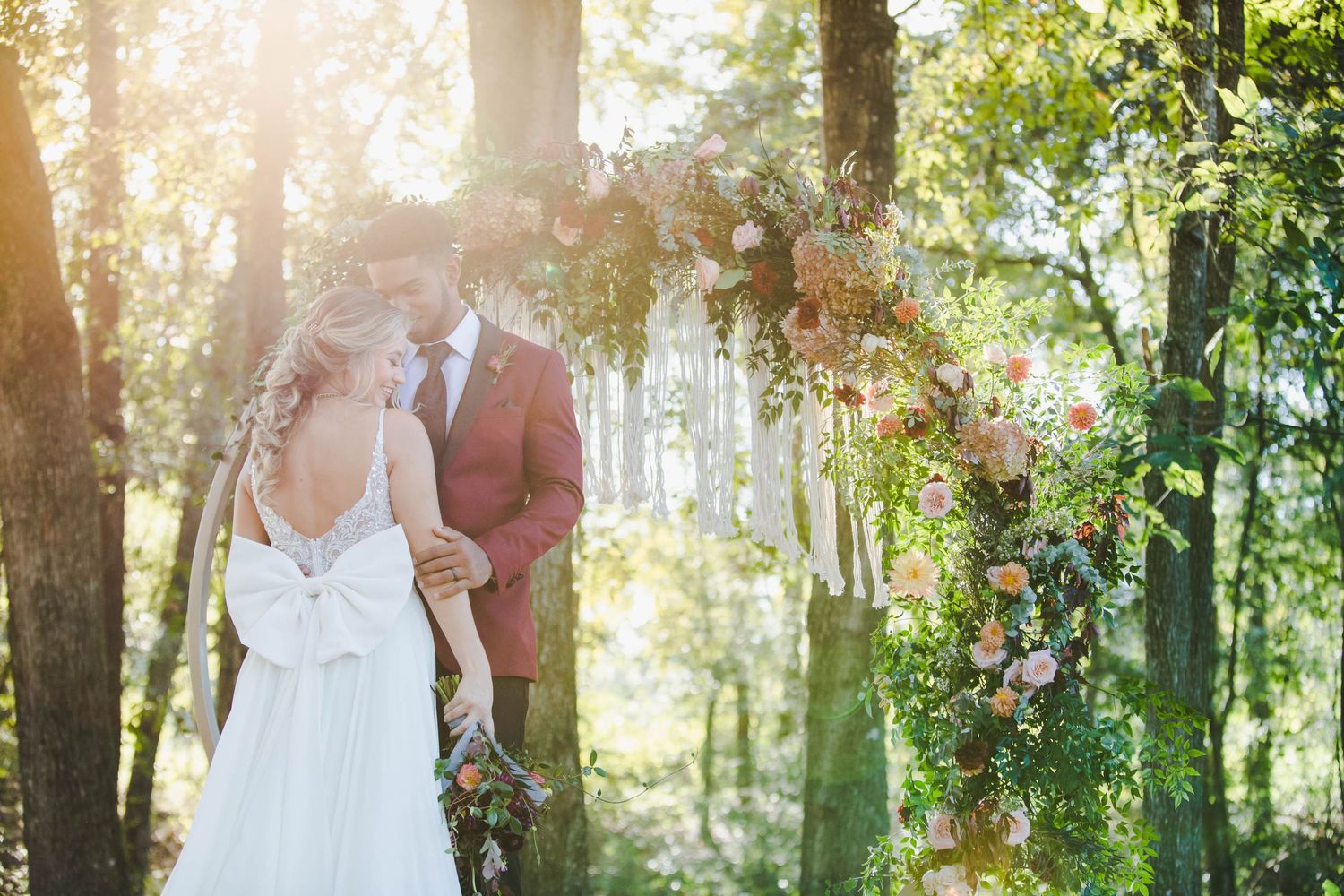
- Color warms. Low-angle light has a golden quality, especially in the late afternoon.
- The air can be clearer. After a front passes, humidity drops and skies often look crisp and blue.
- Sunset moves earlier each week. By November, the sun sets in the early evening, and the evening comes sooner than many couples expect.
What this means for your ceremony
- Late afternoon ceremonies often have the best balance of light and comfort.
- Face matters. If guests look toward the sun, they'll squint. Place the ceremony so the sun is behind or beside the audience.
- Open shade is your friend. Trees and buildings can create soft, even light.
- Plan for earlier darkness. A ceremony that ends right before sunset leaves little time for portraits.
- Check the time change. Clocks fall back in early November, which shifts sunset an hour earlier on the clock.
Portraits in fall light
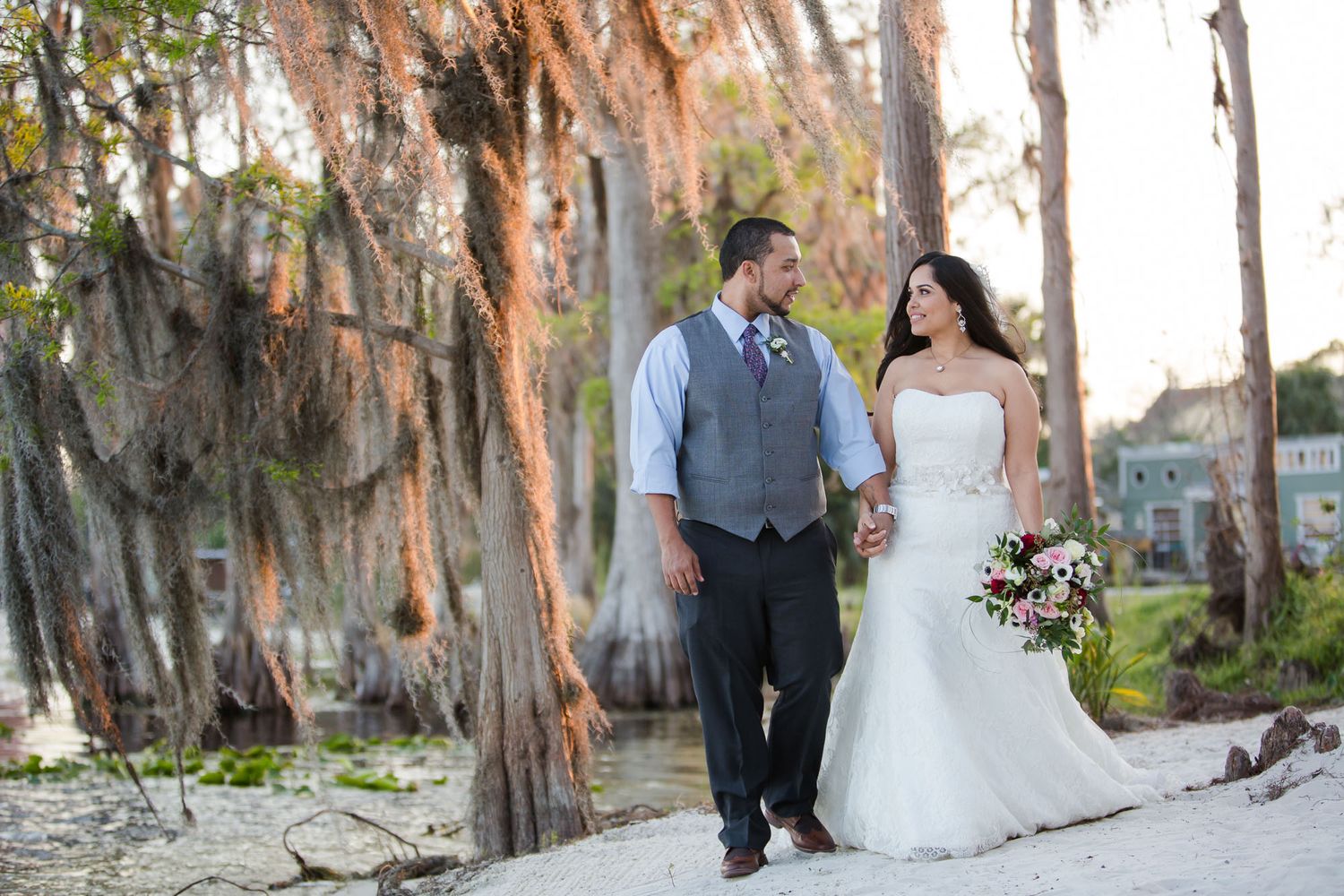
- The hour before sunset is the best time for couple portraits.
- Backlighting, with the sun behind you, creates a warm glow around hair and shoulders.
- Side light adds dimension and shape.
- Open shade gives soft, flattering light at nearly any time of day.
- Cloudy days produce even, gentle light with rich color.
- Reflective surfaces, such as water or light walls, can add glow to faces.
Colors and fabrics that look good in fall light
- Warm tones like rust, burgundy, and gold harmonize with the light.
- Deep greens and blues contrast nicely with warm backgrounds.
- Textured fabrics, such as velvet, lace, and linen, catch light beautifully.
- Neutral and cream tones glow in golden light.
- Avoid colors that blend in with the landscape, so you stand out against it.
Evening and reception light
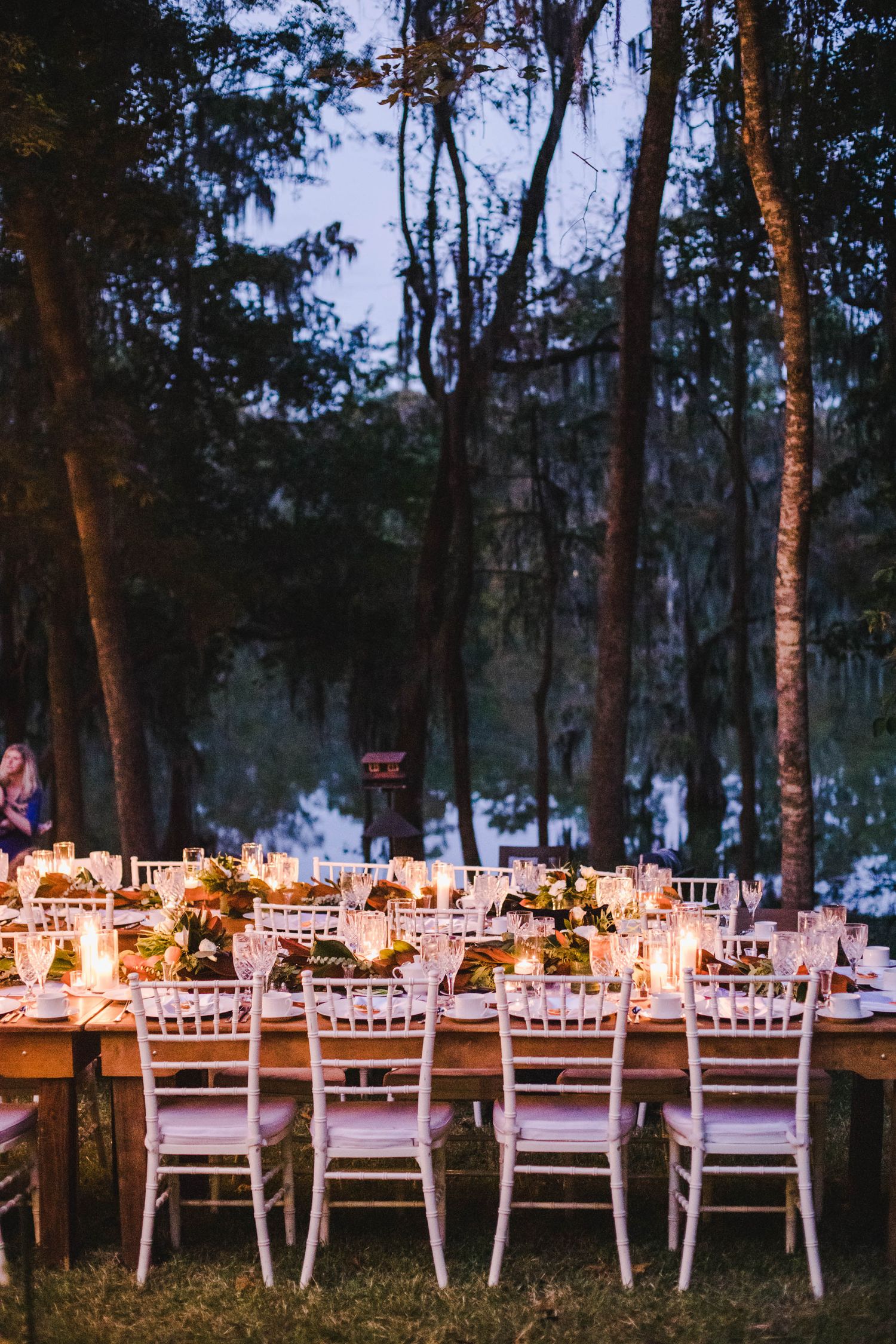
As the sun sets earlier, reception lighting becomes more important.
- String lights and candles add warmth and atmosphere.
- Uplighting can enhance a room, but strong colors may tint skin tones.
- A light on the dance floor helps photographers capture the action.
- A sunset moment before dinner gives you a break and a few extra portraits.
- A planned send-off with warm lighting makes a dramatic final photo.
Tell your photographer and your planner about your lighting plans, so the evening looks as good in photos as it does in person.
How the light shifts across the season
- September. Still higher sun, with sunsets in the evening, and warm, soft light in the late afternoon.
- October. A middle ground, with lovely golden hours and comfortable timing.
- November. Low, warm light, early sunsets, and an evening feel by mid-afternoon.
Light in different settings
- Gardens and parks. Tree canopy filters light, creating soft patterns. Open areas get glowing late light.
- Historic buildings. Walls and courtyards reflect warm light, and interiors can feel golden.
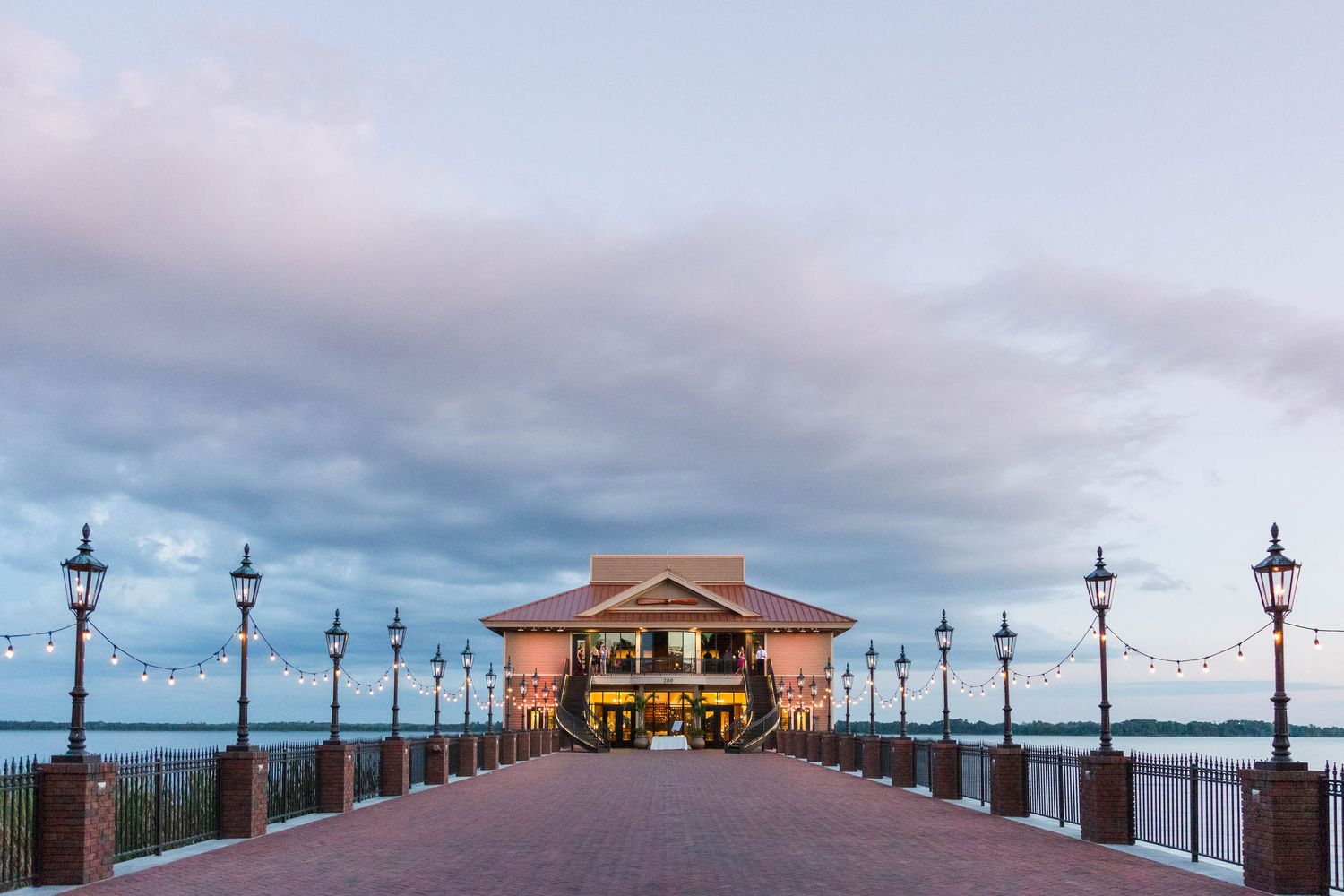
- Coastal settings. Open horizons and reflective water extend the glow, and sunsets can be dramatic.
- Indoor venues. Windows and lamps matter more as the days shorten.
Planning your timeline around fall light
- Find the sunset time for your date, and plan backward.
- Schedule the ceremony about 90 minutes to two hours before sunset.
- Plan portraits in the last hour before sunset.
- Allow a buffer for delays.
- Keep family photos earlier, in open shade.
- Have a plan for the evening, with lighting and a warm atmosphere.
Fall light by setting
- A garden or park. Tree cover filters the low sun into soft patterns. Open lawns glow in late afternoon, so plan portraits there.
- A historic downtown. Brick and stone absorb and reflect warm light, and narrow streets can hold glowing pockets of sun in the late afternoon.
- A coastal setting. Open skies and water extend the light, and sunsets can be spectacular. Wind can pick up in fall, so plan for it.
- An indoor venue with windows. Large windows give soft, directional light in the afternoon, but the room can darken quickly after sunset, so plan lighting.
Clear days versus cloudy days
- Clear days give strong, directional light and long shadows. They're great for backlit portraits and dramatic sunsets.
- Partly cloudy days can be the best of both, with soft light and occasional breaks of sun.
- Overcast days give even, gentle light that flatters skin and brings out color. Nothing to worry about.
- Rainy days need a backup plan, but they can create moody, romantic photos.
A sample November light plan
If your wedding is in mid-November with sunset around 5:30 p.m., here is one way to use the light:
2:00 p.m. Ceremony, in the soft afternoon sun.
2:30 p.m. Family and wedding party portraits in open shade.
3:30 p.m. Couple portraits as the light warms.
4:30 p.m. Golden hour portraits, about 15 to 20 minutes.
5:30 p.m. Sunset and afterglow, then move indoors for the reception.
(Times are illustrative. Confirm sunset and daylight saving time for your date.)
Questions to ask your photographer about fall light
- How do you handle low, directional light?
- How do you photograph a reception that begins after sunset?
- What equipment do you bring for evening lighting?
- Can you suggest the best time for our ceremony based on sunset?
- How do you plan portraits if the weather changes?
Common mistakes
- Starting the ceremony too late. You may lose your light.
- Ignoring the time change. Check the clock for your date.
- Placing guests facing the sun.
- Skipping the evening lighting plan.
- Rushing portraits. Give yourselves a few quiet minutes in the best light.
The bottom line
Fall light is one of the most flattering gifts a season can offer. Plan your ceremony around it, choose attire that glows in warm light, and let your photographer guide the timeline. If you'd like help finding the best time and place for your fall wedding, I'm happy to look at your venue and date.