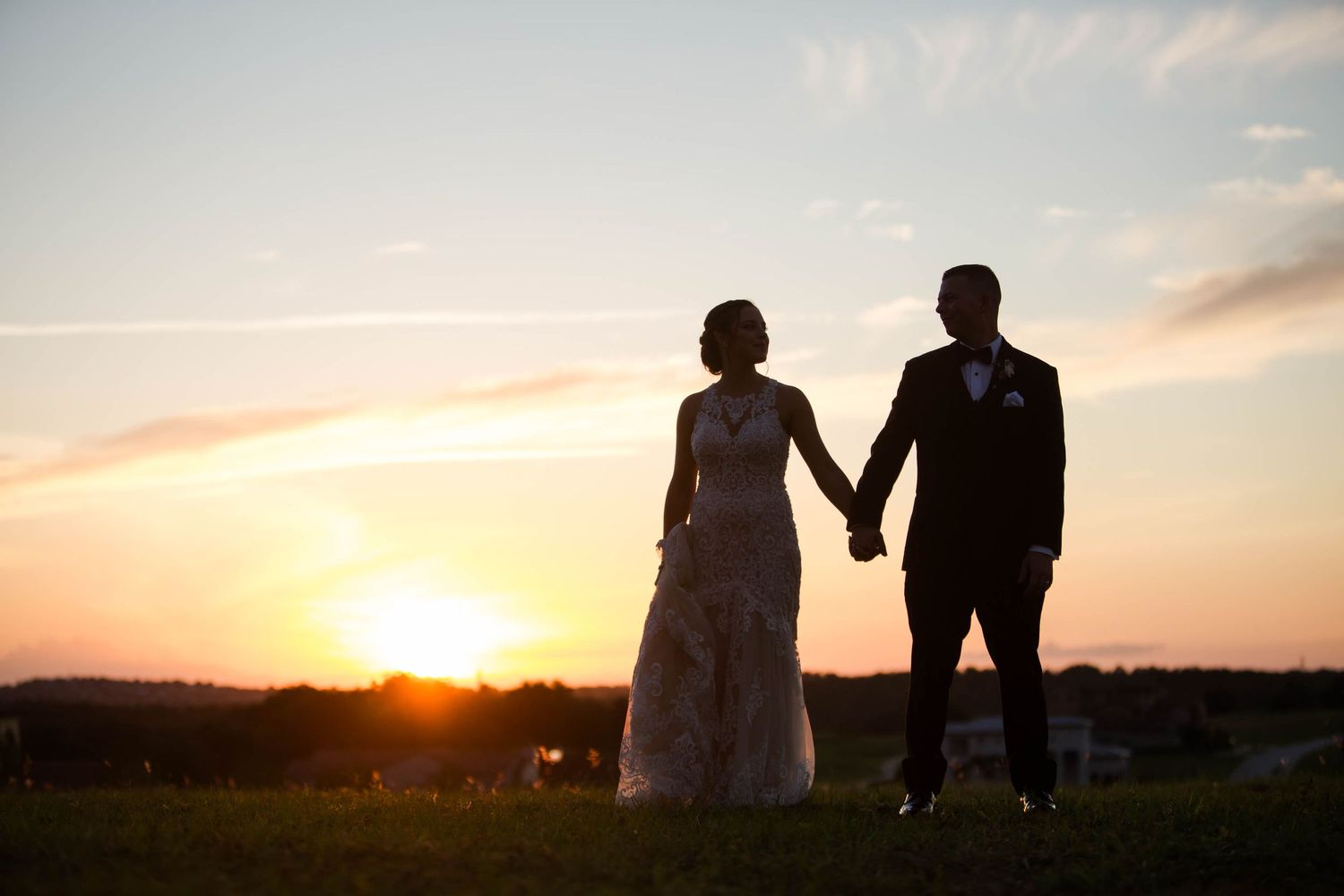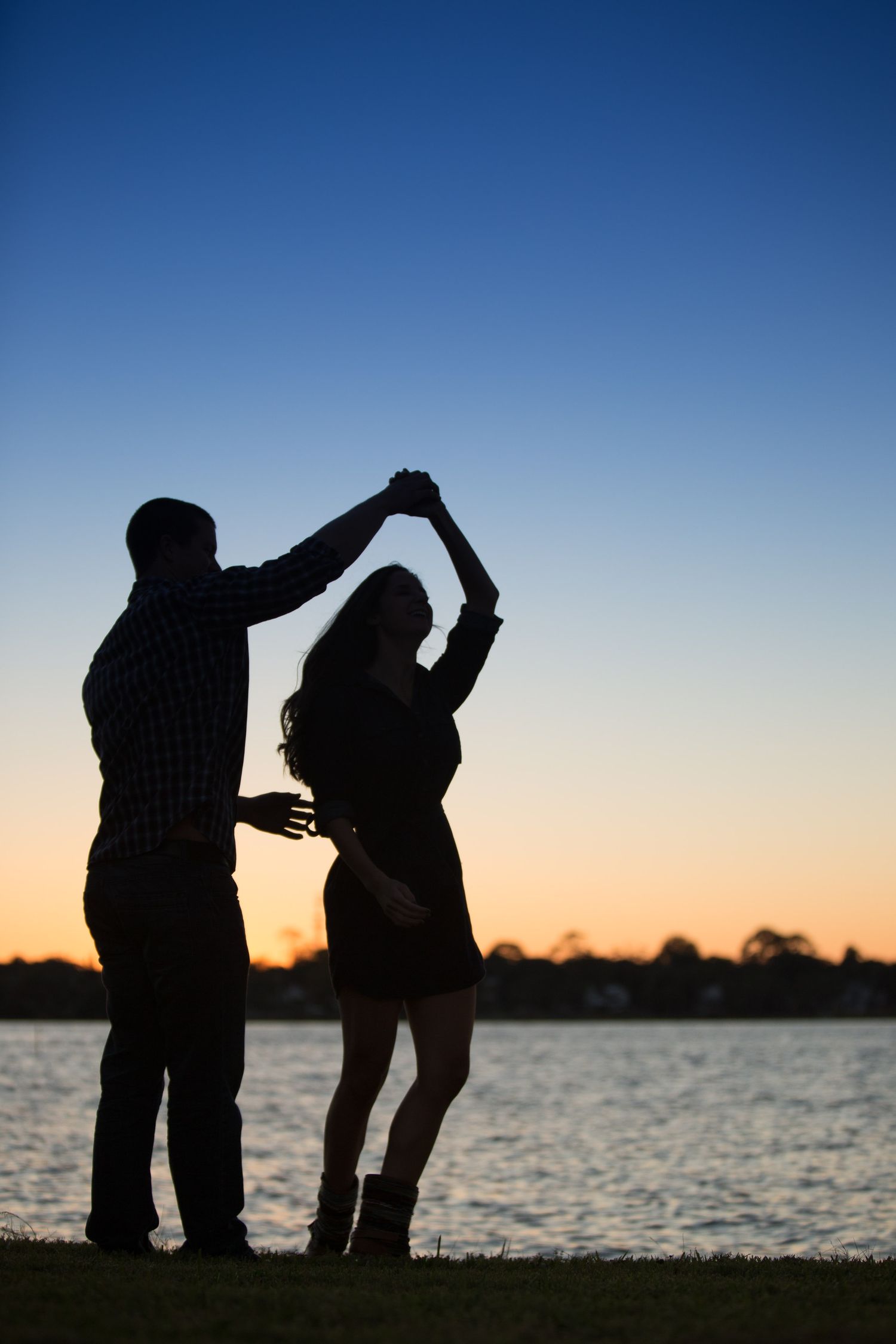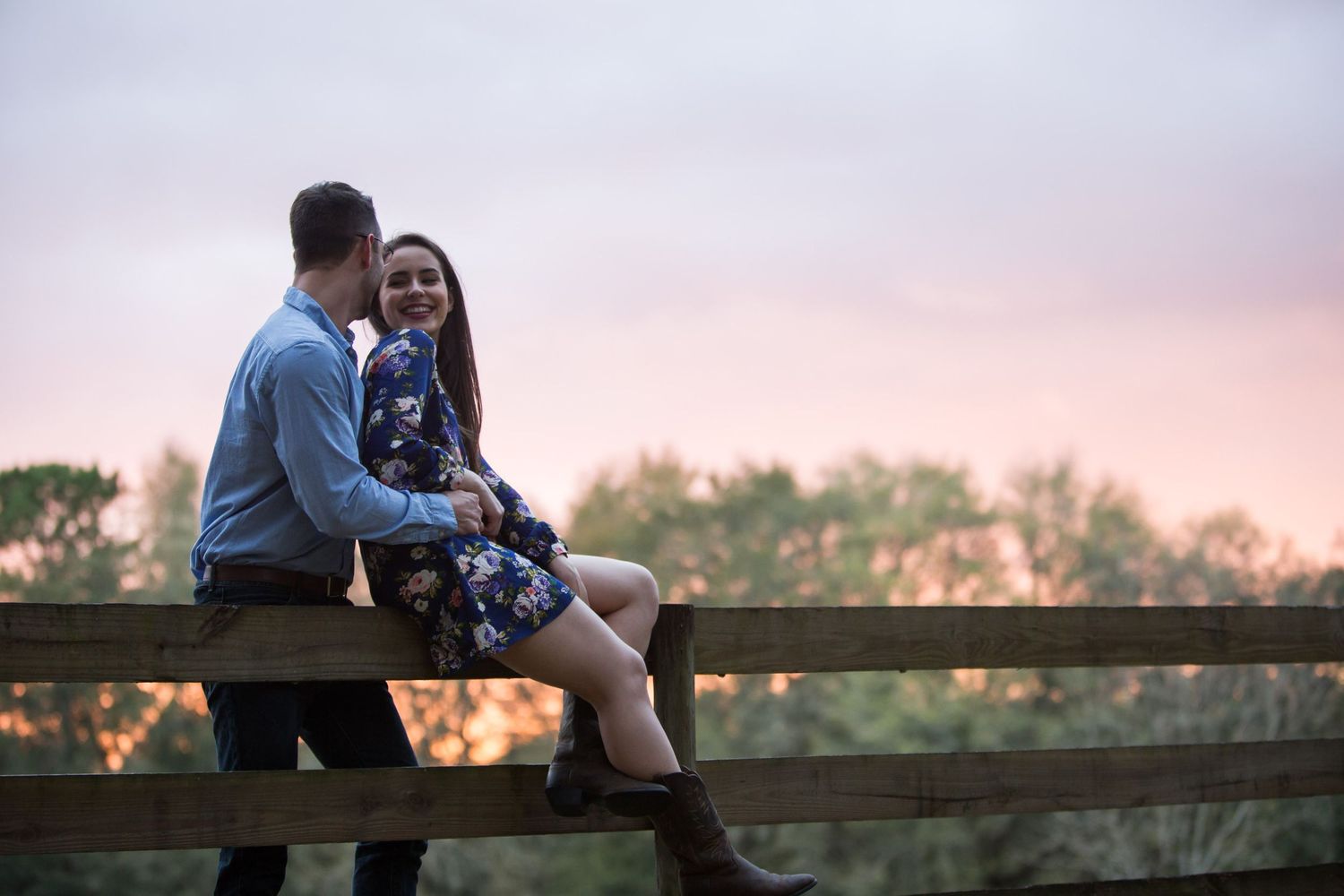
The best fall portrait settings in North Florida are the places where low, warm light meets texture: golden prairie grass, cypress trees turning rust-colored, oak-lined roads, and coastal marshes at sunset. North Florida doesn't have a New England leaf season, but it has its own quieter fall palette, and a good location can make it glow. Here is a guide to the kinds of settings that photograph well in fall, how to choose between them, and what to check before you go.
What fall looks like here
It helps to set expectations. Most trees in the region, like live oaks and pines, stay green. Fall color shows up in specific places and plants.
- Cypress trees turn orange and bronze in late fall, especially along water.
- Maples, sweetgums, and hickories add reds, oranges, and yellows in pockets.
- Prairie and marsh grasses turn gold and amber, and glow in low light.
- Low, warm sunlight adds richness to everything, including green landscapes.
- Clearer, drier air after cold fronts gives crisp skies and deeper colors.
The light does as much work as the leaves. A good fall portrait location is one where the sun can pass through or across something interesting.
Setting one: open prairie
- Why it works. Wide-open grass, big sky, and long shadows create a feeling of space and calm. In the last hour before sunset, the grasses glow, and the backdrop is uncluttered.
- Good for. Engagement sessions, small elopements, and couples who like an outdoorsy, expansive look.
- Examples to explore. Paynes Prairie near Gainesville is the best-known option in the region, and other preserves and open parks may offer similar views.
- Keep in mind. Open land has little shade, wind can pick up, and there may be rules about trails, access, and photography. Wear shoes you can walk in.
Setting two: cypress and water
- Why it works. Cypress trees along rivers, springs, and swamps turn rusty orange in late fall, and the water reflects the color and the sky.
- Good for. Moody, natural portraits and quiet elopements.
- Examples to explore. River and spring-side parks in the High Springs and Ichetucknee areas offer wooded settings with water.
- Keep in mind. Banks can be muddy and slippery, mosquitoes can linger on warm days, and many areas have rules about decorations and group size.
Setting three: oak-lined roads and historic streets
- Why it works. Live oaks with Spanish moss form natural tunnels over roads and paths, and the filtered light is soft and flattering. Historic brick streets add texture and warmth.
- Good for. Classic, timeless portraits and engagement sessions with a Southern feel.
- Examples to explore. Tallahassee's canopy roads, old downtown streets in St. Augustine, and tree-lined campus areas in college towns.
- Keep in mind. Roads are shared spaces. Plan portraits with safety in mind, avoid blocking traffic, and check any rules for stopping and shooting.
Setting four: gardens and landscaped parks
- Why it works. Gardens offer variety in a small space, with paths, benches, bridges, and plantings that change with the season. Many flowers and shrubs bloom in fall.
- Good for. Engagement sessions, small weddings, and anyone who wants a polished, easy setting.
- Examples to explore. Botanical gardens and state parks with gardens in Gainesville, Tallahassee, and across the region.
- Keep in mind. Many gardens have hours, fees, and photography rules, and weekends can be busy.
Setting five: coastal marsh and beach
- Why it works. Coastal marshes turn golden in the fall, and open horizons give you wide, glowing sunsets. Beaches are quieter than in summer, and the light is gentler.
- Good for. Sunset engagement sessions, beach elopements, and couples who love the water.
- Examples to explore. Beaches and marshes along the Atlantic coast around Amelia Island and St. Augustine, and the Gulf coast around Cedar Key.
- Keep in mind. Wind can be strong, evenings cool quickly, and sunset comes early. Check tides and access.
Setting six: downtown and small-town main streets
- Why it works. Brick walls, old storefronts, string lights, and evening glow create a cozy, lived-in look. Fall evenings are pleasant for walking.
- Good for. Lifestyle engagement sessions with a coffee shop, a favorite restaurant, and quiet side streets.
- Examples to explore. Downtown districts in Gainesville, Tallahassee, Ocala, St. Augustine, and Fernandina Beach.
- Keep in mind. Downtown spots can be crowded on weekends, so early morning or weekday sessions are easier.
How to choose a setting
Ask yourselves:
- What feeling do we want? Expansive, cozy, romantic, playful, or timeless?
- What do our clothes look like against it? Warm tones glow against green and gold, and deeper tones stand out against light backgrounds.
- How far are we willing to travel? A beautiful spot is only useful if you can get there comfortably.
- When are we free? Golden hour is short, so flexibility helps.
- What are the rules? Permits and photography policies vary.
Scouting and timing
- Visit in advance, or ask your photographer to scout.
- Check the sunset time, and plan to arrive about an hour before.
- Look at the forecast, and have a backup day.
- Know where the light falls. A spot that glows at 5:30 may be in shadow at 6:00.
- Plan a route, with two or three stops close together.
- Bring water and a layer. Fall evenings can turn cool fast.
What to check before you go
- Are permits or fees required for professional photography?
- Are there limits on group size, props, or equipment?
- Are there hours, closures, or seasonal restrictions?
- Is the area open to visitors on the day you plan to go?
- Is there parking, and how far is the walk?
- Are there accessibility concerns?
A short call or email before your session prevents most problems.
What to wear
- Warm tones, like rust, mustard, deep green, and burgundy, harmonize with fall light.
- Cream and neutral shades glow in low sun.
- Layers, like sweaters, jackets, and scarves, add texture and keep you comfortable.
- Shoes you can walk in, especially on uneven ground.
- Avoid colors that blend into the background, so you stand out.
Common mistakes
- Expecting New England colors. Set realistic expectations, and focus on light and texture.
- Arriving too late. Sunset comes earlier every week.
- Skipping permits. Rules matter, especially in parks.
- Overscheduling. Two or three locations are plenty.
- Forgetting about comfort. Cold, tired couples don't photograph well.
The bottom line
Fall in North Florida is subtle, and the best photos come from choosing a place that makes the most of low, golden light. Pick a setting that matches the feeling you want, check the rules, and give yourselves time. If you'd like help choosing a location for your session, I'm glad to suggest places and plan the timing.