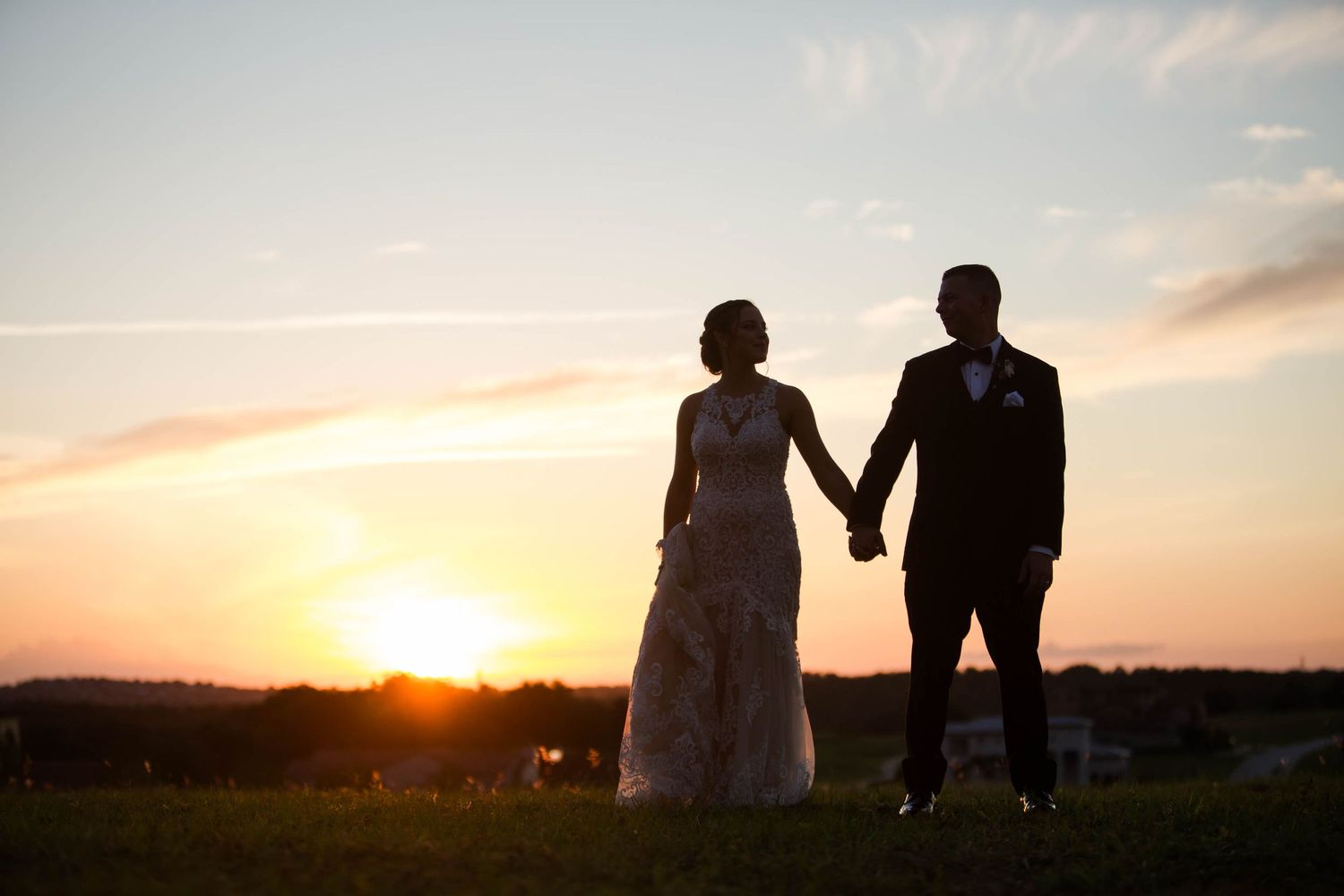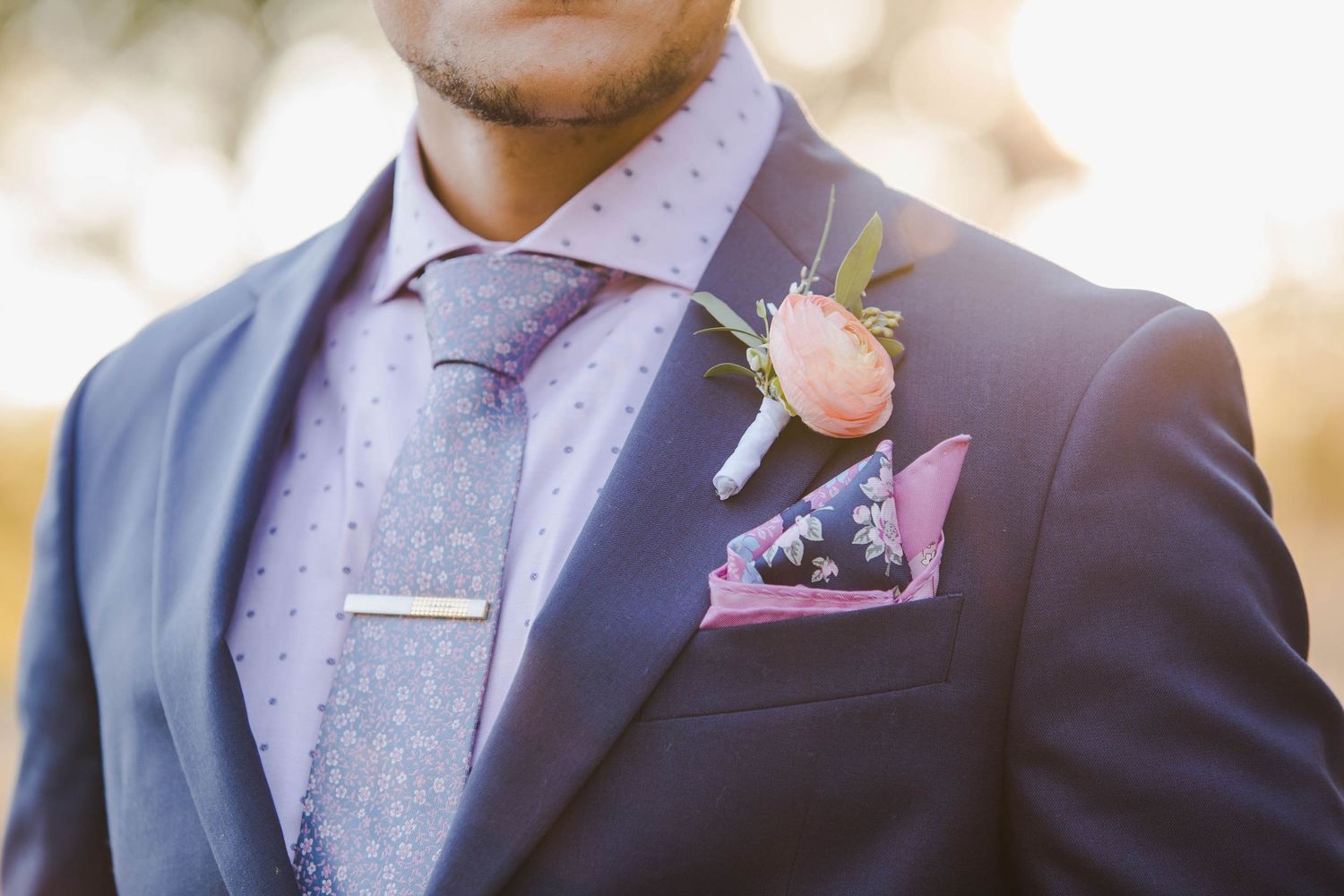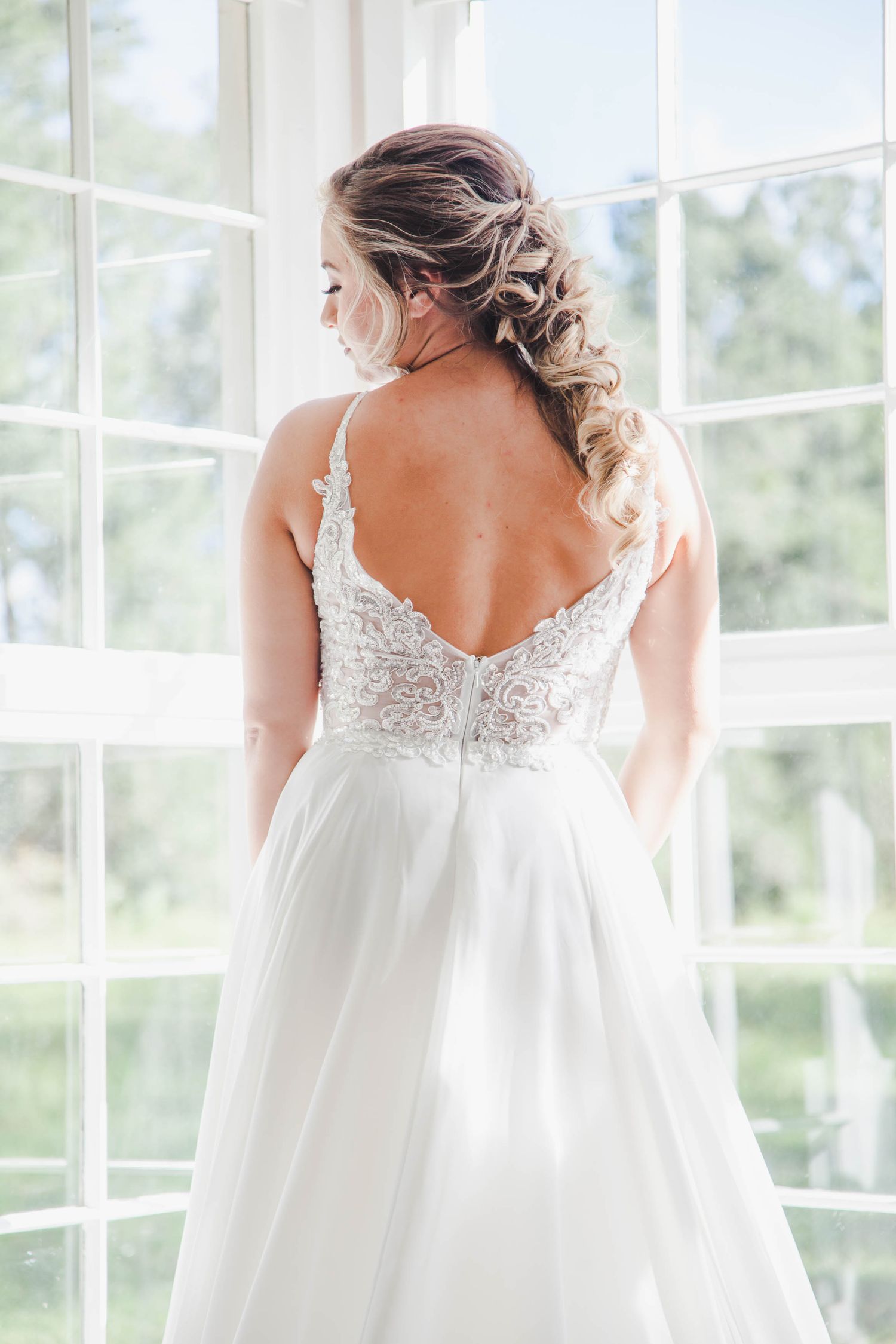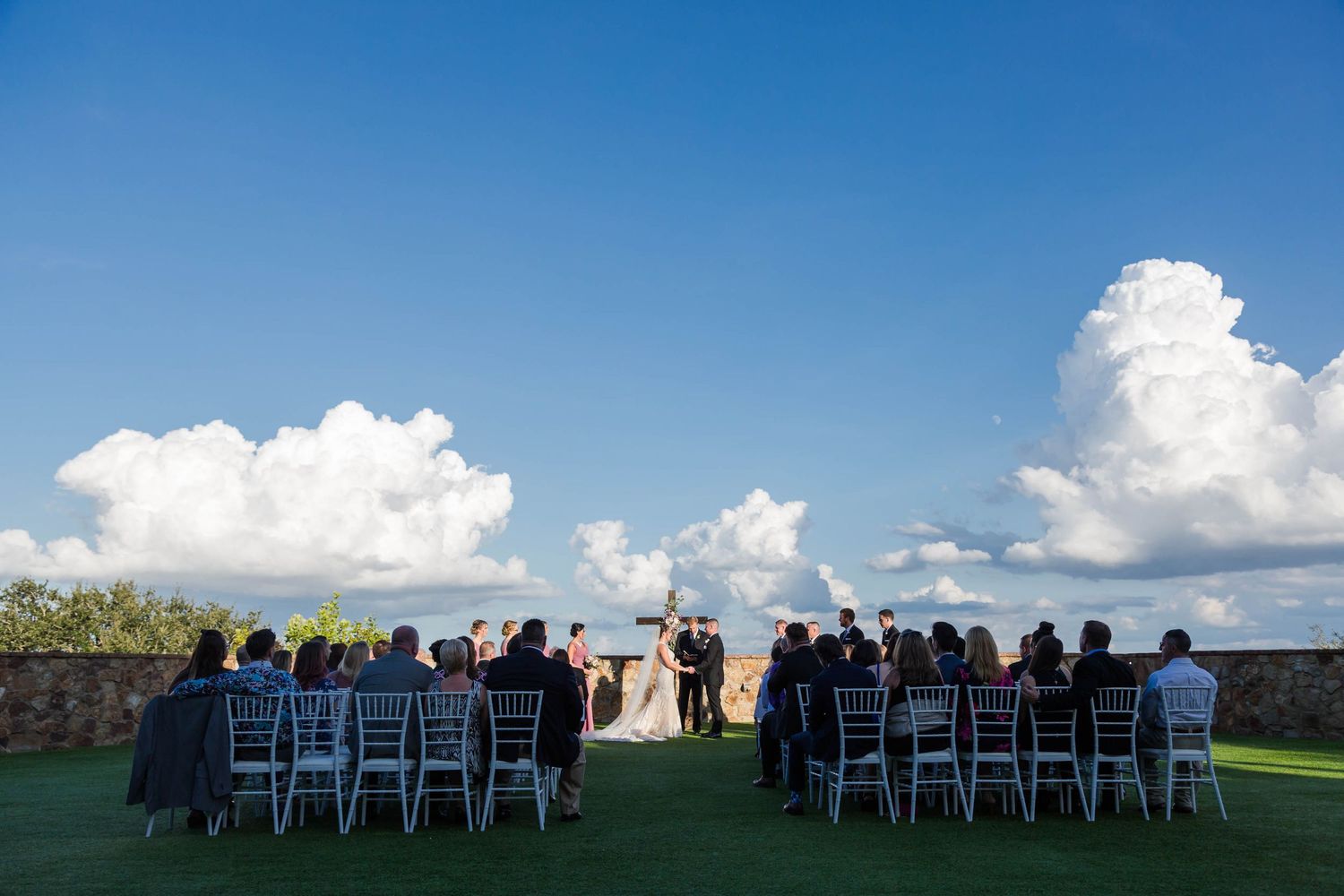
An elopement is a very small ceremony, often just the couple and a few witnesses, while a micro-wedding is a scaled-down wedding with a small guest list, usually under 50 people. Both are popular in North Florida for their lower cost, easier planning, and flexibility. The right choice depends on how much you value having loved ones present, how much you want to spend, and what you want the day to feel like. Here is a clear comparison, and how photography works for each.
The core difference
An elopement is about the two of you. The day is built around the ceremony, the location, and the experience. A few witnesses may be present, and the schedule is simple.
A micro-wedding is about your closest people. You still have a ceremony, a meal or reception, and a program, but everything is smaller and more personal.
Neither is less of a wedding. They're different shapes of the same day.
A comparison:
Elopement
- Guests: 0 to 10
- Planning time: Weeks to a few months
- Cost: Usually lowest
- Location: Almost anywhere
- Schedule: Flexible and short
- Photography: Intimate and portrait-focused
- Stress level: Low
- Family involvement: Minimal
Micro-wedding
- Guests: About 10 to 50
- Planning time: A few months
- Cost: Moderate
- Location: Venues, restaurants, gardens, homes
- Schedule: A few hours with a reception
- Photography: Mix of portraits and candid moments
- Stress level: Moderate
- Family involvement: Meaningful
How to decide. Ask each other:
- Who do we need in the room, and who would we be sad to leave out?
- Do we want to celebrate with a group, or experience the day together?
- What's our budget, and how would we rather spend it?
- Do we want a big meal or party, or a simple moment?
- How would our families feel, and are we okay with that?
- What would we regret not doing?
If your answers are mostly about experience and place, an elopement fits. If they're mostly about people and celebration, a micro-wedding fits.
The in-between option
Many couples choose a hybrid: a private elopement ceremony followed by a small celebration, either the same day or later. This gives you intimacy for the vows and a party with the people you love, without the pressure of a full wedding.
Where to go in North Florida
- Springs and parks, for natural beauty. Check access rules and permit requirements.
- Beaches on the Atlantic and Gulf coasts, for sunrise or sunset ceremonies.
- Historic downtown streets and courtyards, especially in places like St. Augustine and Fernandina Beach.
- Gardens and botanical settings, with soft light and blooms.
- Small inns, restaurants, and private homes, for micro-weddings with a meal.
Always check permits, group size limits, and photography rules for public locations.
How photography works for an elopement
Elopement photography is more like a documentary portrait session than a traditional wedding. The day is usually shorter, from one to four hours, and the focus is on you.
- A few key moments: getting ready, the ceremony, portraits, and a quiet moment after.
- More time for portraits, since there's no reception to run.
- Flexible timing, which lets you choose sunrise or sunset.
- A personal approach, with direction when you want it and room to be yourselves.
How photography works for a micro-wedding
Micro-wedding photography blends portrait work and candid coverage.
- Coverage from getting ready through the reception, typically four to six hours.
- Candid moments with each guest, since the group is small enough to capture everyone.
- Intimate details, such as toasts, shared meals, and conversations.
- Family portraits that are manageable, with fewer groupings and less time.
- Budgeting for each
An elopement often costs the least, and you can spend more on location, travel, and photography. A micro-wedding costs more, but each guest's experience can be richer. In both cases, the money you save by shrinking the guest list can go to the things you value most, such as an excellent photographer, a special venue, or a honeymoon.
A sample elopement day
Here is an example of a simple elopement with a sunset ceremony. Adjust for your date and location.
- 3:00 p.m. Getting ready, with a few detail photos.
- 4:30 p.m. First look and portraits at the location.
- 5:45 p.m. Ceremony, with an officiant and witnesses.
- 6:15 p.m. Portraits in golden hour light.
- 7:00 p.m. Dinner or a toast.
The whole experience can fit within a few hours, with plenty of room for quiet moments.
The legal basics
Every couple, whether eloping or having a large wedding, needs a marriage license, and the rules are set by the state and county. A few general points to check with your county clerk's office:
- Where to apply, and whether both of you must be present.
- What identification you need.
- Any waiting period, and whether it can be waived.
- How long the license is valid.
- Who can officiate and who can witness.
- How the signed license is returned and recorded.
Requirements change, so confirm current rules before you plan your date. Your photographer can often recommend local officiants, but the license is your responsibility.
Questions to ask your photographer
- What do your elopement and micro-wedding packages include?
- How do you handle permits and location rules?
- How do you work with a small group of guests?
- What's the best time of day for this season and place?
- Can you recommend locations and vendors?
Telling your family
If you're eloping or keeping the guest list small, tell your family kindly and early. Explain that the decision is about what feels right for you, and consider including them in some way, such as a celebration afterward, a shared photo, or a toast.
If you're deciding between an elopement and a micro-wedding, I'm glad to talk it through and suggest locations that match your style and season.