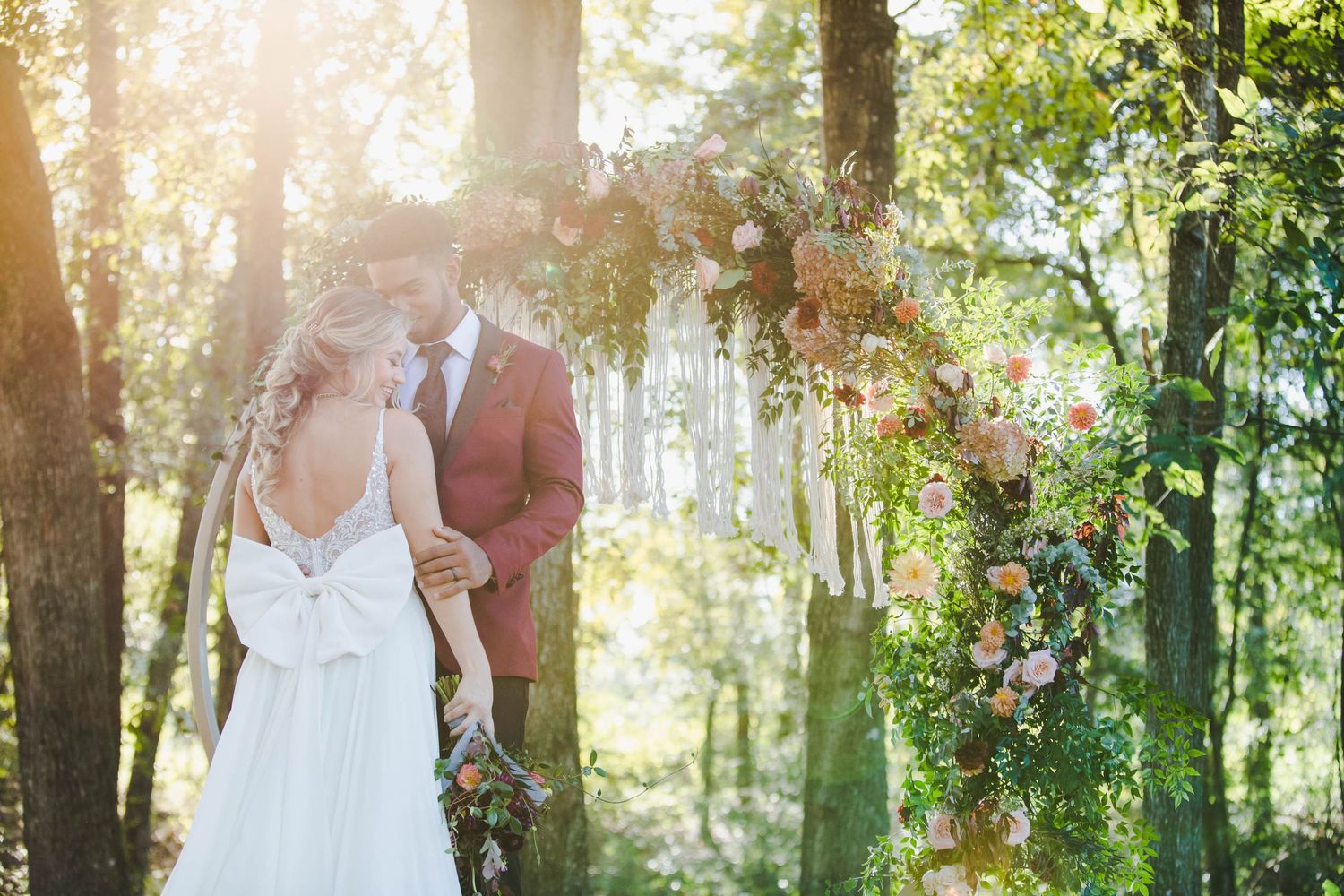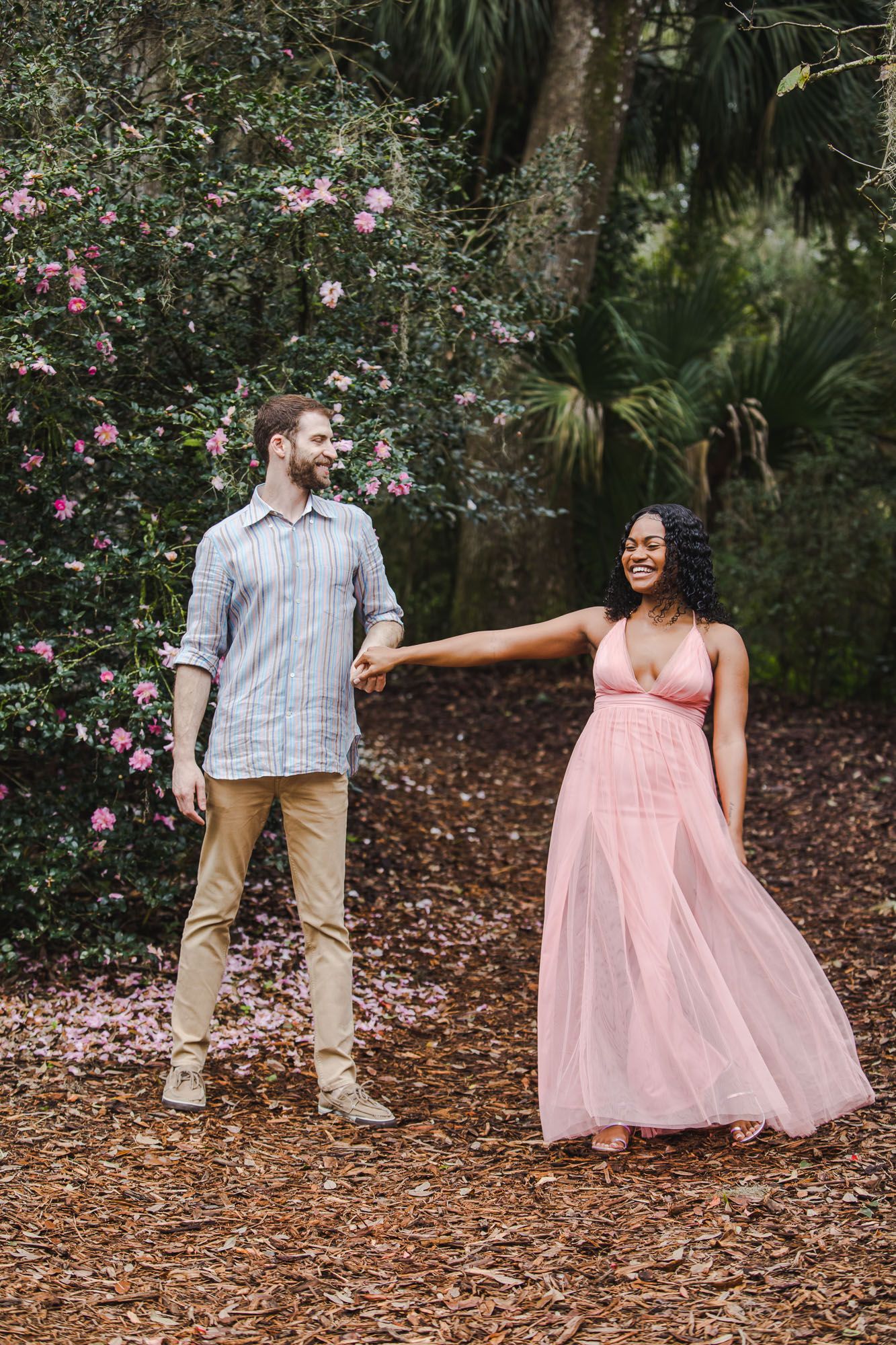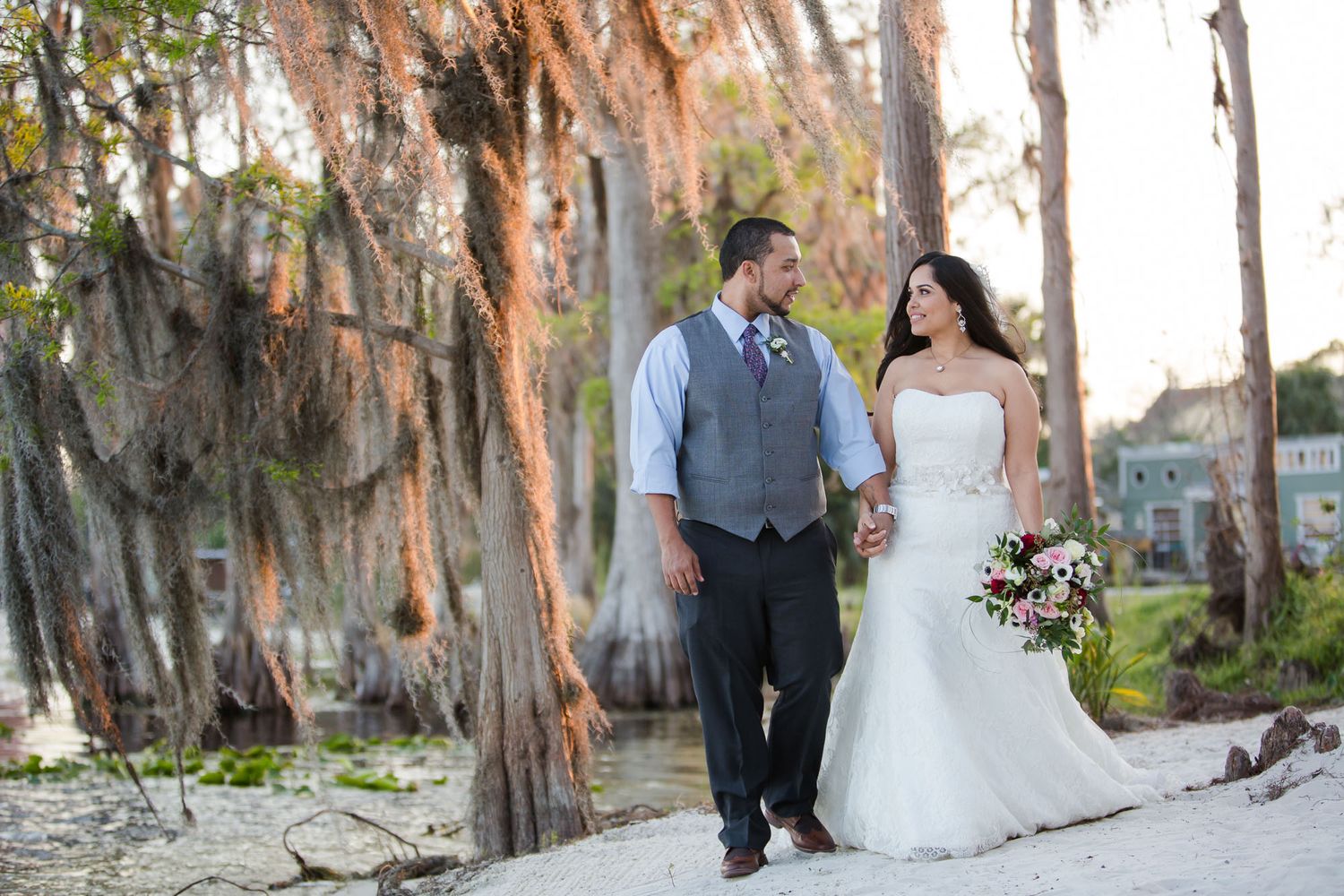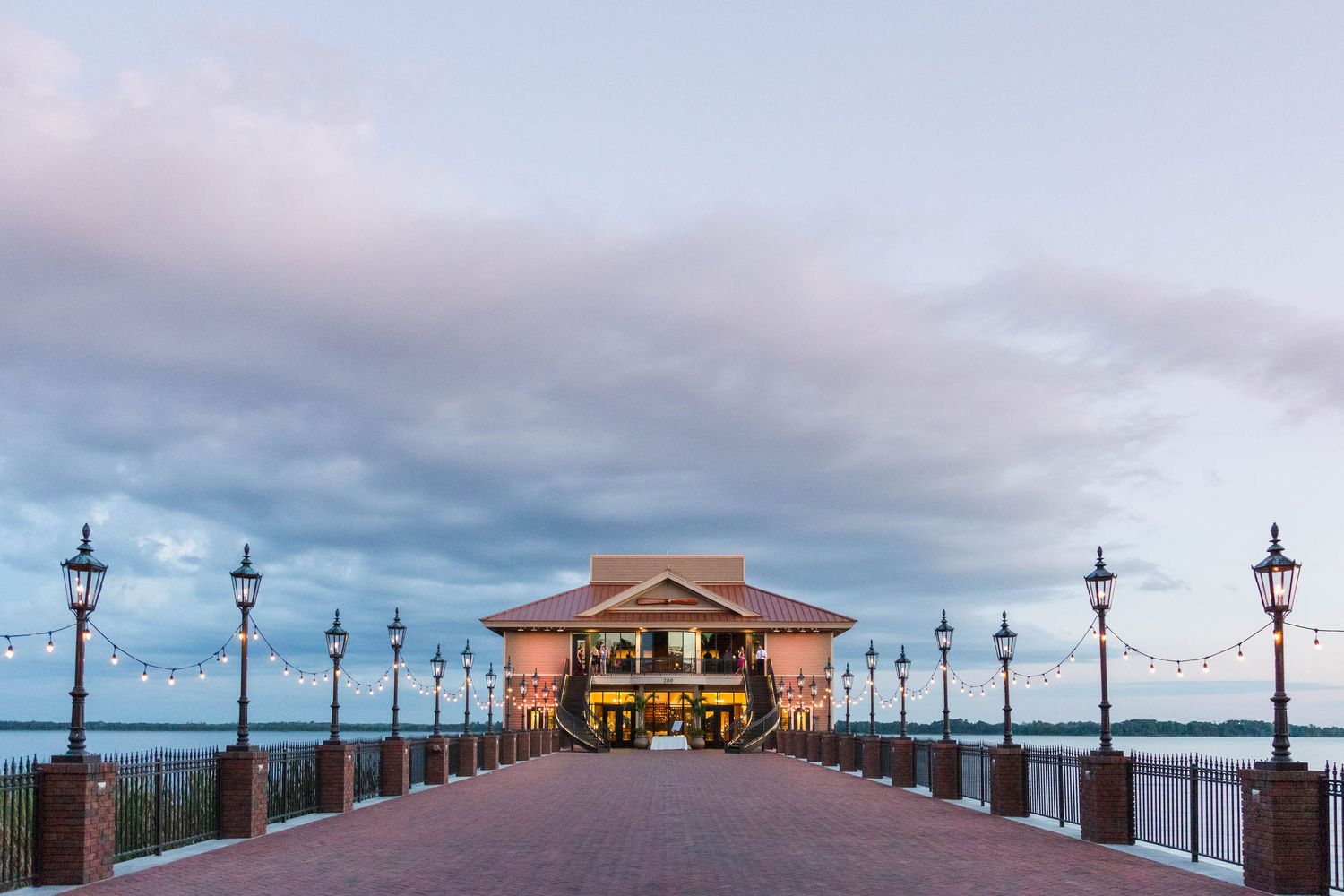
The best proposal spots in North Florida combine a beautiful backdrop, a bit of privacy, and good light at the time of day you plan to ask. Gainesville offers gardens, prairie sunsets, and a lively downtown. St. Augustine offers centuries-old streets, a fort, and a lighthouse. Amelia Island offers a quiet beach, a historic fort, and a walkable old town. Here is how to choose, and how to make sure the moment gets photographed.
What makes a good proposal location
Before the list, a few things I look for whenever a couple asks me about proposal spots:
- Light. Golden hour, the last hour before sunset, gives flattering, warm light and soft shadows. Midday sun is harsh and makes everyone squint.
- Privacy. A moment this personal is easier in a place where you won't be interrupted. Early morning and weekday visits help.
- A natural place to stand. You want a spot where you can face each other with a clean, uncluttered background.
- Easy access. Long walks in heat, humidity, or dress shoes can wear down the mood before you even get there.
- A backup plan. Florida weather changes fast. Have an indoor or sheltered alternative in mind.
Gainesville
- Kanapaha Botanical Gardens. Winding paths, bamboo, gardens, and a calm atmosphere make this a natural fit for a quiet, romantic proposal. The light filtering through the plantings is lovely in the morning and late afternoon. Check the garden's current hours and any photography policies before you plan.
- Paynes Prairie. For a proposal with scale, the open prairie and big sky are hard to beat, especially near sunset. It's wild and expansive rather than manicured, which suits couples who love the outdoors. Wear shoes you can walk in and watch the weather.
- Depot Park. A downtown option with open lawns, water, and a relaxed local feel, with restaurants and a post-proposal celebration close by. It works well for couples who want a casual, community-oriented moment.
- Sweetwater Wetlands Park. Boardwalks, water, and wildlife give you a nature backdrop close to town. Early morning is especially peaceful and photogenic.
St. Augustine
- The historic downtown streets. Narrow brick streets, old buildings, and courtyards create a timeless backdrop. Early morning, before the crowds arrive, is the best time for privacy and clean photos.
- The waterfront and bridge area. Views over the bay and the old bridge look beautiful at sunrise and golden hour, and the walkable setting lets you add dinner or a stroll to the plan.
- The lighthouse and beach area. For a more coastal feel, the lighthouse and nearby beaches offer big sky and sea light. Check access, hours, and any rules for photography on the property.
- Anastasia State Park beaches. Wide sand, dunes, and open sunsets. Check park entry rules and any permit requirements if you're bringing a photographer.
Amelia Island
- Fernandina Beach historic downtown. A charming, walkable old town with brick storefronts, trees, and a relaxed small-town feel. Good for a proposal followed by dinner nearby.
- Fort Clinch State Park. Historic fort, ocean views, and trails with plenty of atmosphere. Check park rules and permit requirements if you plan to have a photographer present.
- The beaches. Amelia Island's beaches are quieter than many in Florida. Sunrise is a favorite for couples who want soft light and few people around.
How to get the moment photographed
A proposal happens once, and you can't redo it. Many couples hire a photographer to capture it without the partner knowing. If you're considering it:
- Book early. Photographers fill up around Valentine's Day, the holidays, and spring.
- Share the plan in advance. Tell your photographer exactly where and when, and agree on a signal.
- Choose a location with a good hiding spot. A photographer needs to stay out of sight but close enough to capture the moment.
- Plan the timing around light. Give yourself a buffer in case you arrive early or run late.
- Think about the afterward. A short portrait session right after the proposal captures the joy while it's fresh.
A quick planning checklist
- Choose a location and a backup.
- Check access rules, hours, and any photography permits.
- Pick the time of day based on light, not just convenience.
- Plan what you'll wear, with comfort and the setting in mind.
- Decide whether you want a photographer, and book early if so.
- Plan what happens after, whether that's dinner, a toast, or a call to family.
- Choosing the right time of day and season
Timing changes the whole feel of a proposal, and it changes by place.
- Sunrise. Quiet, soft, and private. Ideal for beaches and historic streets, and a great choice if you want to avoid crowds.
- Late afternoon and golden hour. Warm, flattering light and a romantic mood. This is the most popular choice, so popular spots get busier.
- Blue hour, just after sunset. Soft, cool light and glowing lights from buildings and streets. Beautiful in downtown areas.
- Season. Spring and fall are the most comfortable. Winter gives long golden light and fewer crowds. Summer works best at sunrise or very late in the day, when heat and storms are less of an issue.
Choosing between nature and town
If you and your partner are outdoorsy and private, a garden, prairie, or beach setting will probably feel more like you. If you love food, history, and atmosphere, a downtown setting with a restaurant nearby makes the whole evening part of the proposal. Think about how your partner would want to feel in the moment, and about who you'll want to call or celebrate with afterward.
Making it feel personal
The setting matters less than the meaning. A few ways to make it your own:
- Propose at a place connected to your story, like where you met or had your first date.
- Include a detail only your partner would recognize, like a song, a phrase, or a small object.
- Bring family or friends nearby to celebrate right after, if that fits your partner's personality.
- Keep the plan simple. The more moving parts, the more can go wrong.
- Common mistakes to avoid
- Picking a spot without scouting it. Visit in advance, or ask a local, so you know about crowds, construction, parking, and where the light falls.
- Ignoring the weather. Check the forecast and have a backup.
- Overplanning the logistics. A proposal should feel natural, not like a production.
- Forgetting the ring plan. Know where it's stored, and keep it secure and accessible.
- Not planning for photos. If you want the moment captured, arrange it ahead of time.
Frequently asked questions
- Do I need a permit to have a photographer at a proposal? It depends on the location. Some public spaces and state parks have rules or permit requirements for professional photography, so check with the location before the day.
- How far in advance should I book a proposal photographer? As early as you can, especially around Valentine's Day, the holidays, and spring, when demand peaks.
- What if my partner notices the photographer? It happens. Photographers who do this regularly know how to blend in, shoot from a distance, and pose as a passing tourist when needed.
If you're planning a proposal in North Florida and want it photographed, I'd love to help you scout the location and plan the timing.